
Moments Along the WayGallery
GalleryA few moments from teaching, writing, speaking, and building.
Doctoral Days in France and Singapore
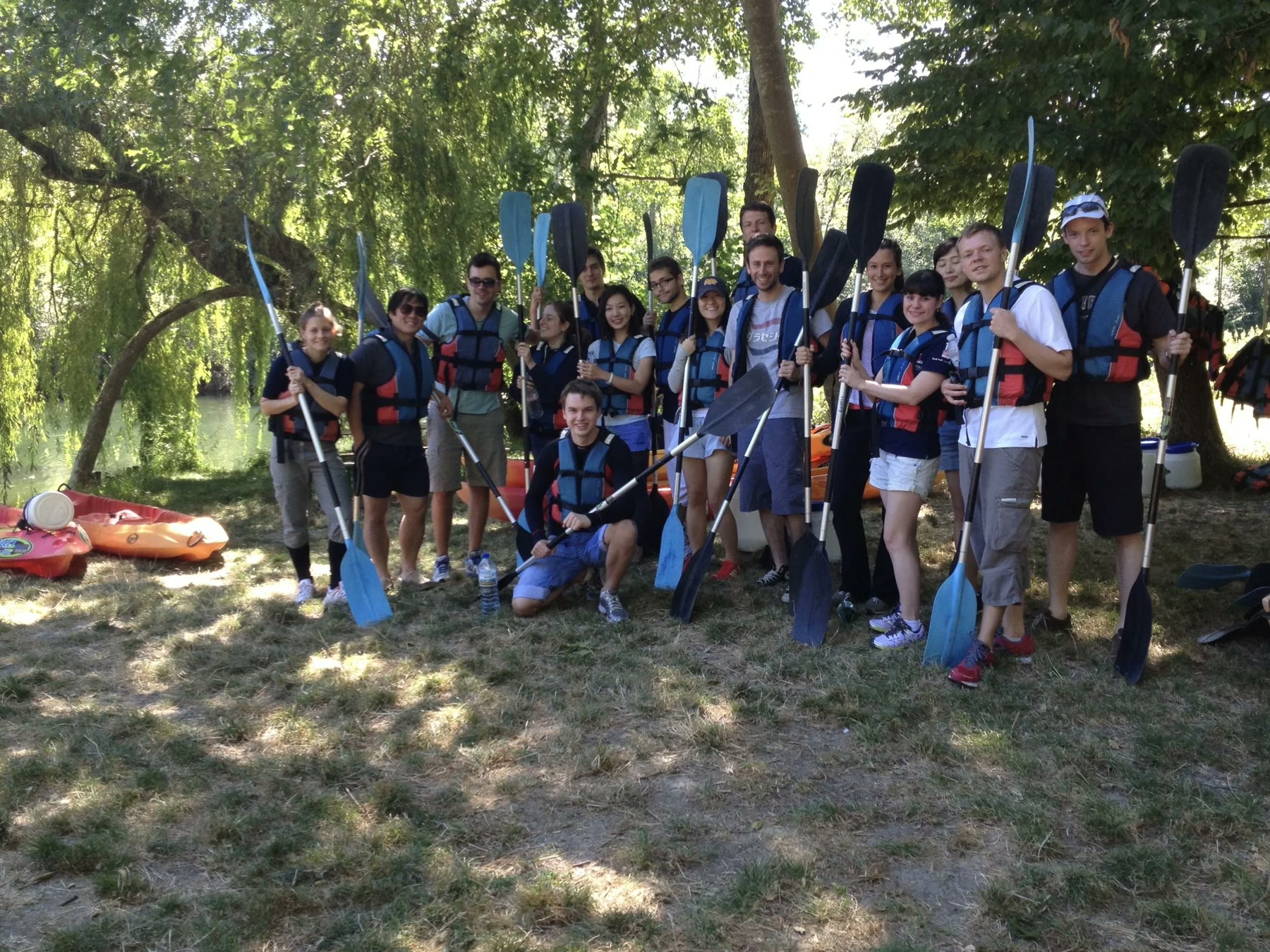
My first week at INSEAD, kayaking down the River Loing with fellow PhD students, is a memory I look back on with so much fondness. I had no idea what I was getting myself into, but even knowing what I know now, I’d do it all over again. Sept 2012.
Some of my favorite creative work during my PhD involved organizing workshops and symposia at the Academy of Management (AOM) annual meetings every year. At the 2017 AOM in Atlanta, I invited members of the GRAMMY®-nominated A Far Cry, a conductorless chamber orchestra, to perform and engage researchers in a conversation about shared leadership.
My takeaway: shared action need not require shared understanding. Understanding can be distributed, with no single member seeing the whole picture. Aug 2017.
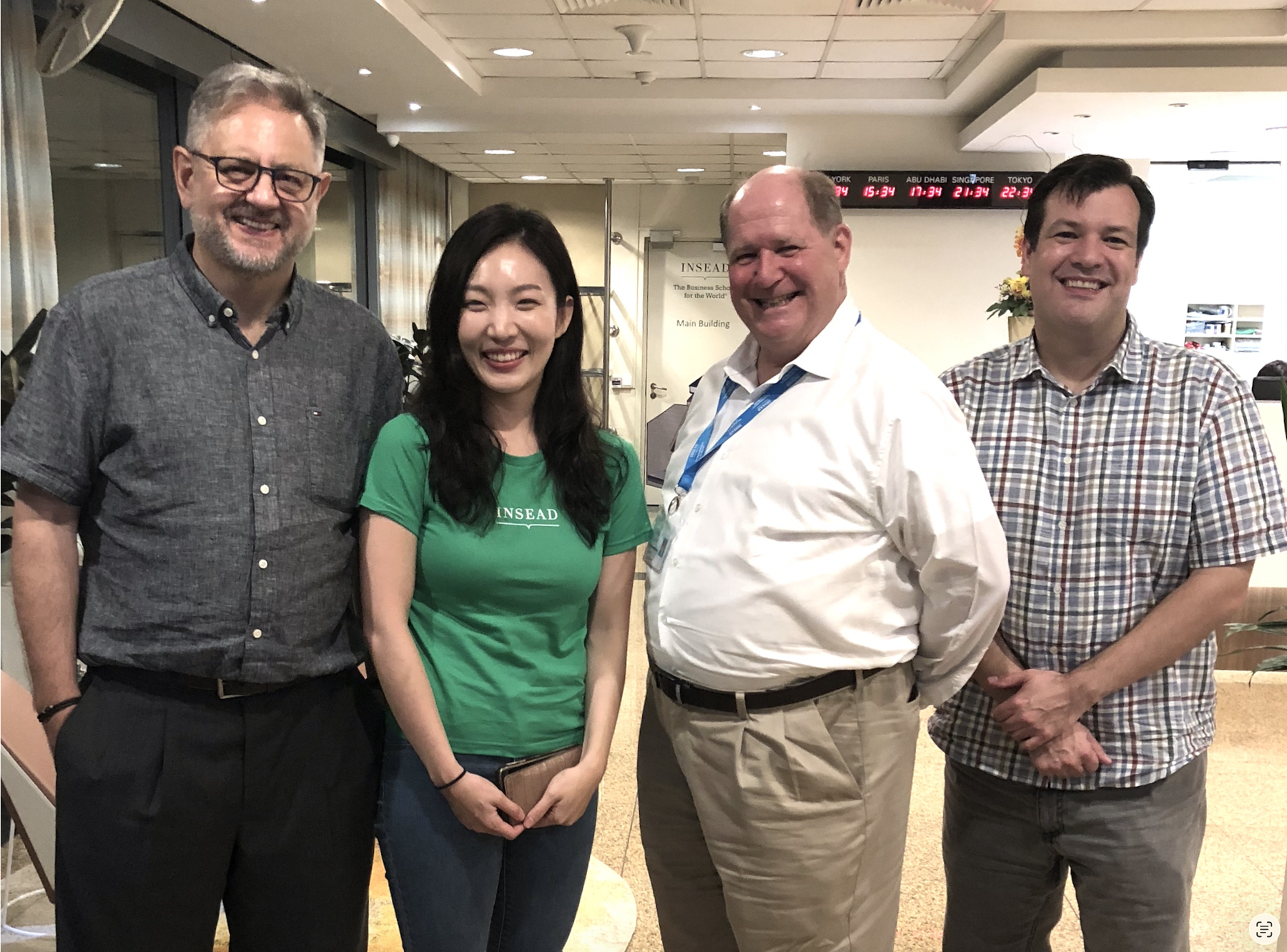
Right after my dissertation defense, with three of the committee members who had anchored my doctoral journey: Phil Anderson (chair), Gabriel Szulanski, and Jason Davis. (Frédéric Godart, who was based at our Fontainebleau campus, couldn’t be in the photo.) I was truly, truly fortunate to learn from and stand on the shoulders of giants in management scholarship.
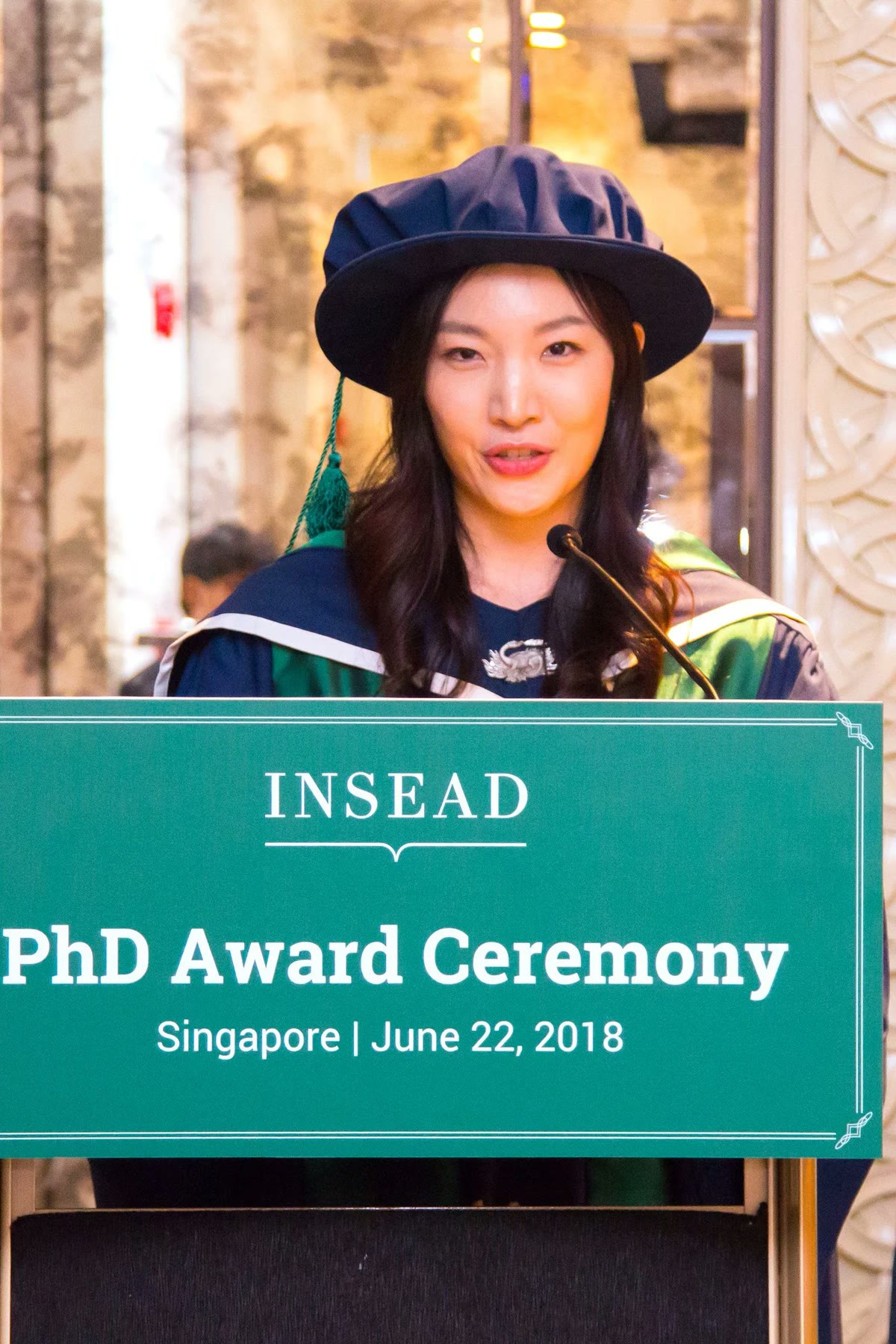
Giving the graduate address at the INSEAD PhD Award Ceremony. Singapore, Jun 2018.
"Today, as we step out the door as newly-minted doctors, let us continue to inquire and inspire to be the best possible representatives of our idea-children that we can be."
Read the story (opens in a new tab)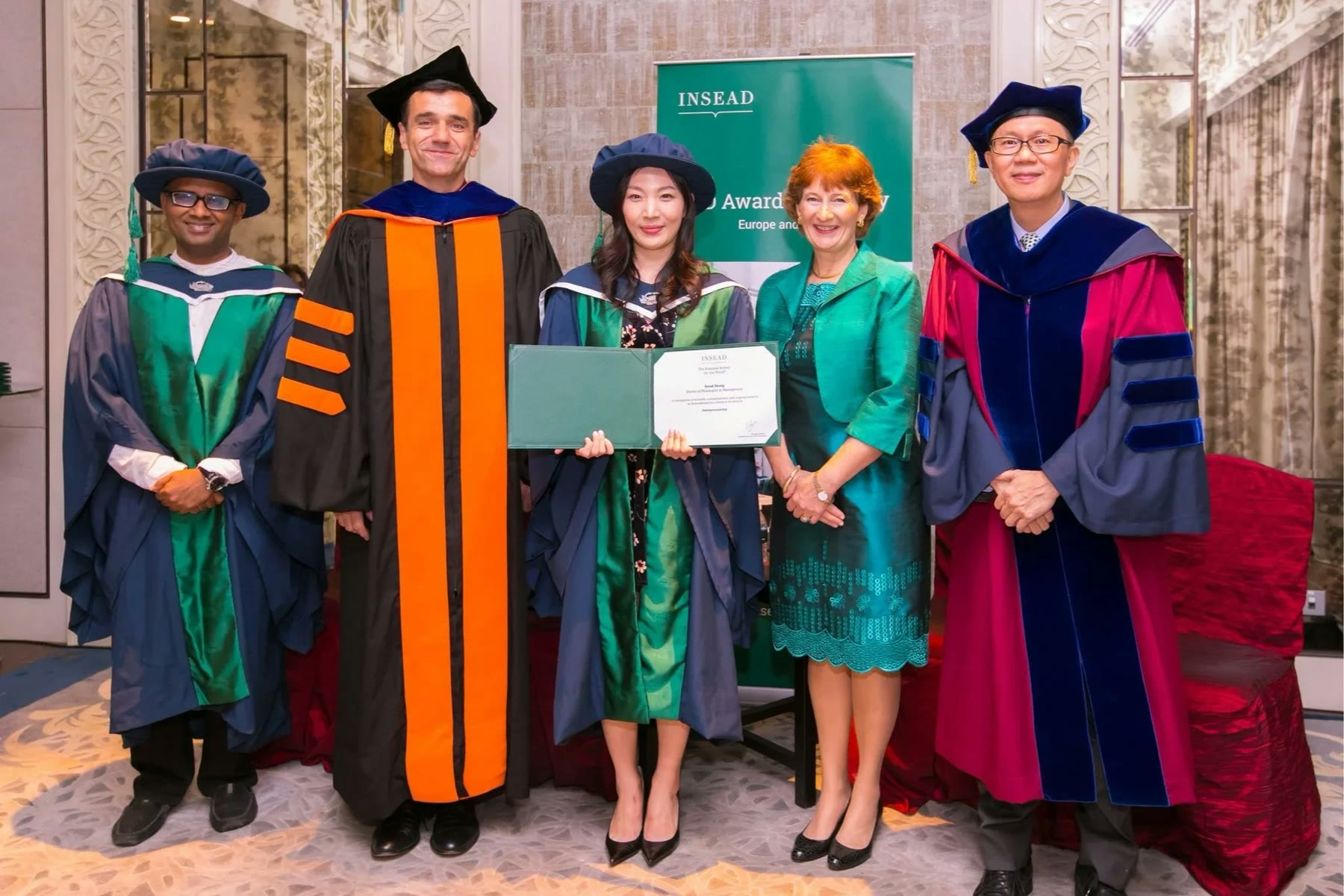
Hooded at last at INSEAD! I earned my PhD in Management, specializing in Organizational Theory and Entrepreneurship. Those years taught me to nurture my “idea-children” with rigor and patience, bring them to life, and help them create meaningful value in the world. Jun 2018.
Faculty Days at UW Foster
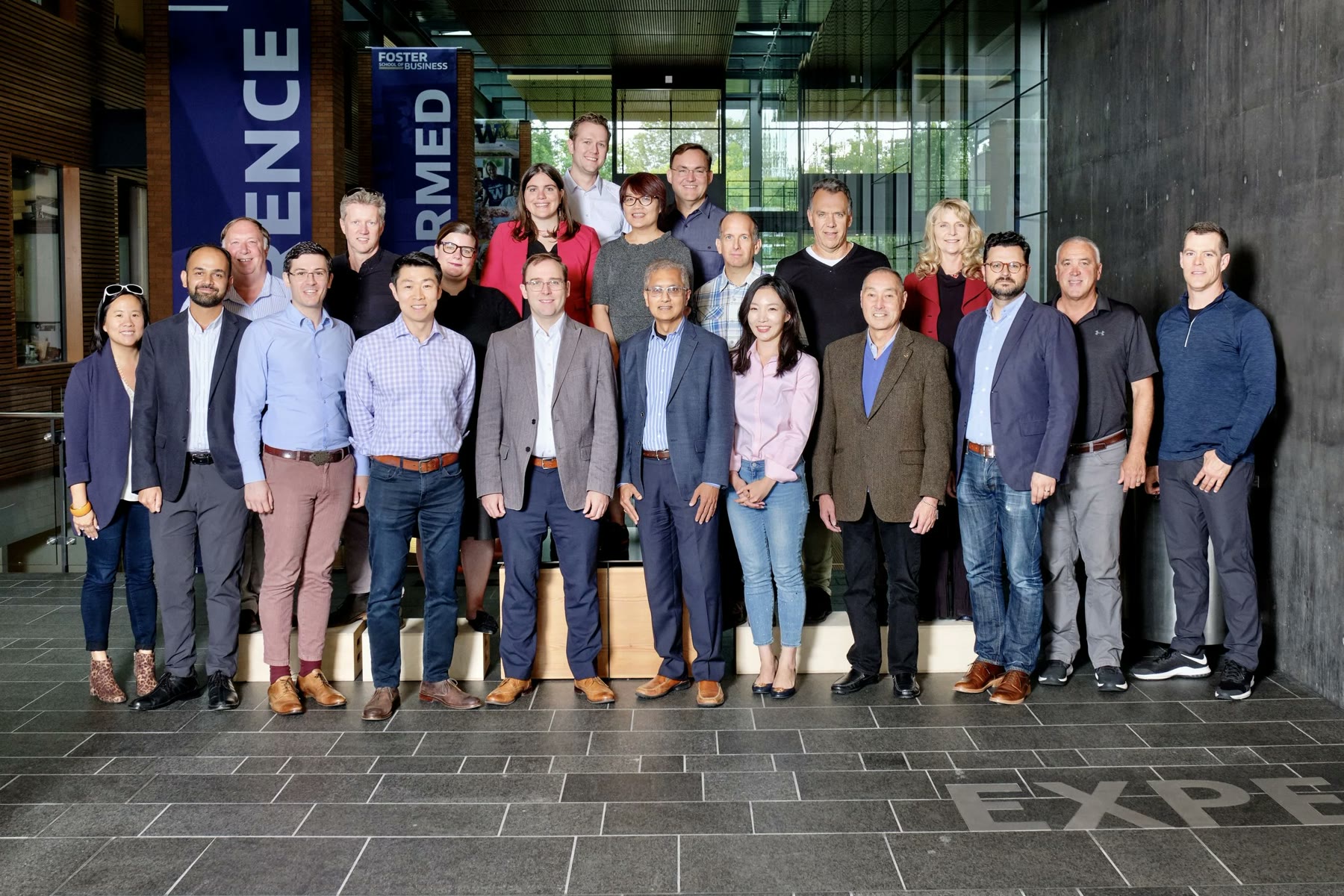
With my colleagues at the University of Washington’s Foster School of Business, where I worked from 2018 to 2021. They were exceptional scholars, and even better people. I learned as much from them about life as I did about research.
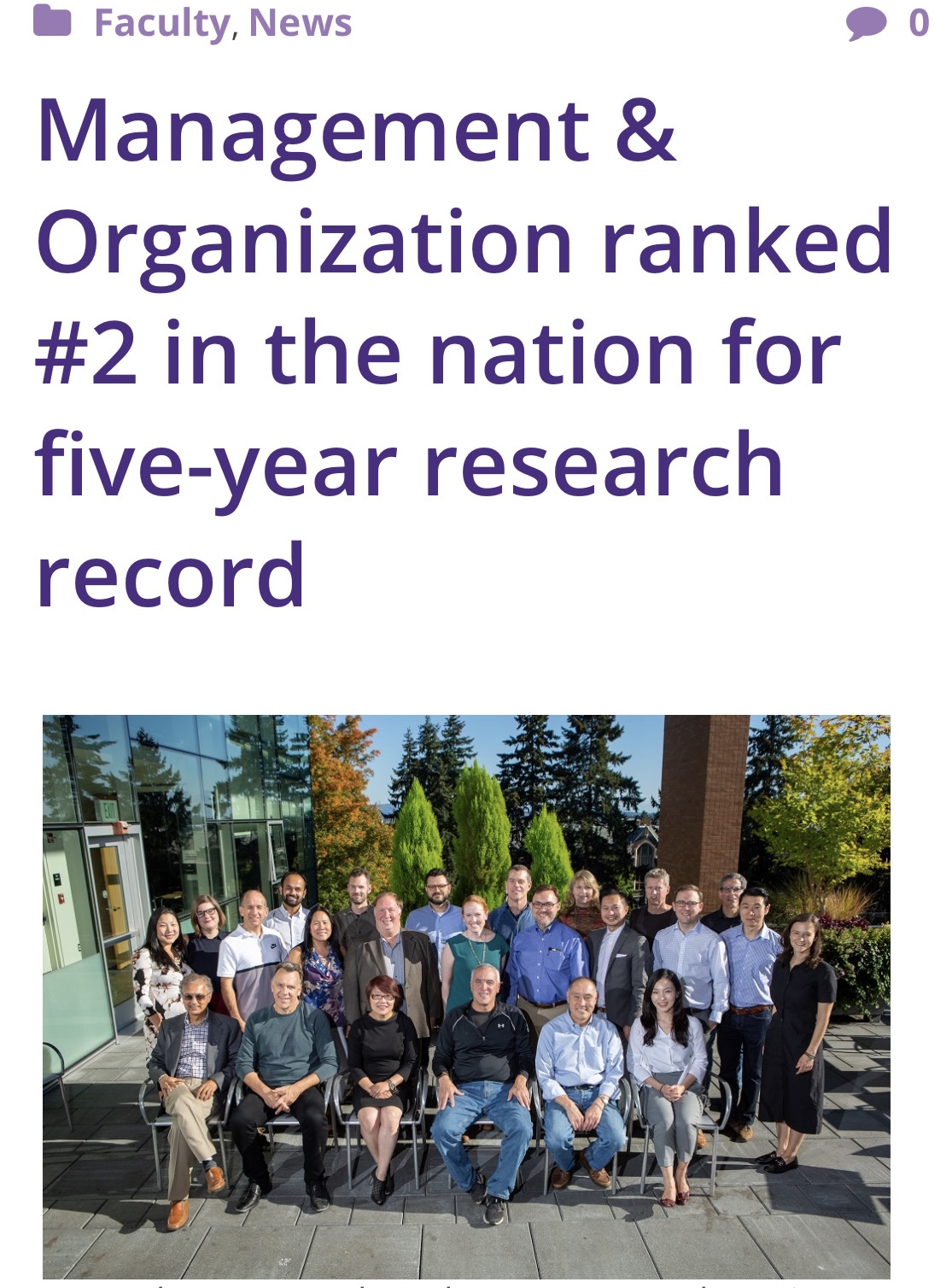
A proud moment for my department: UW Foster's M&O, ranked #2 in the nation for its five-year research record.
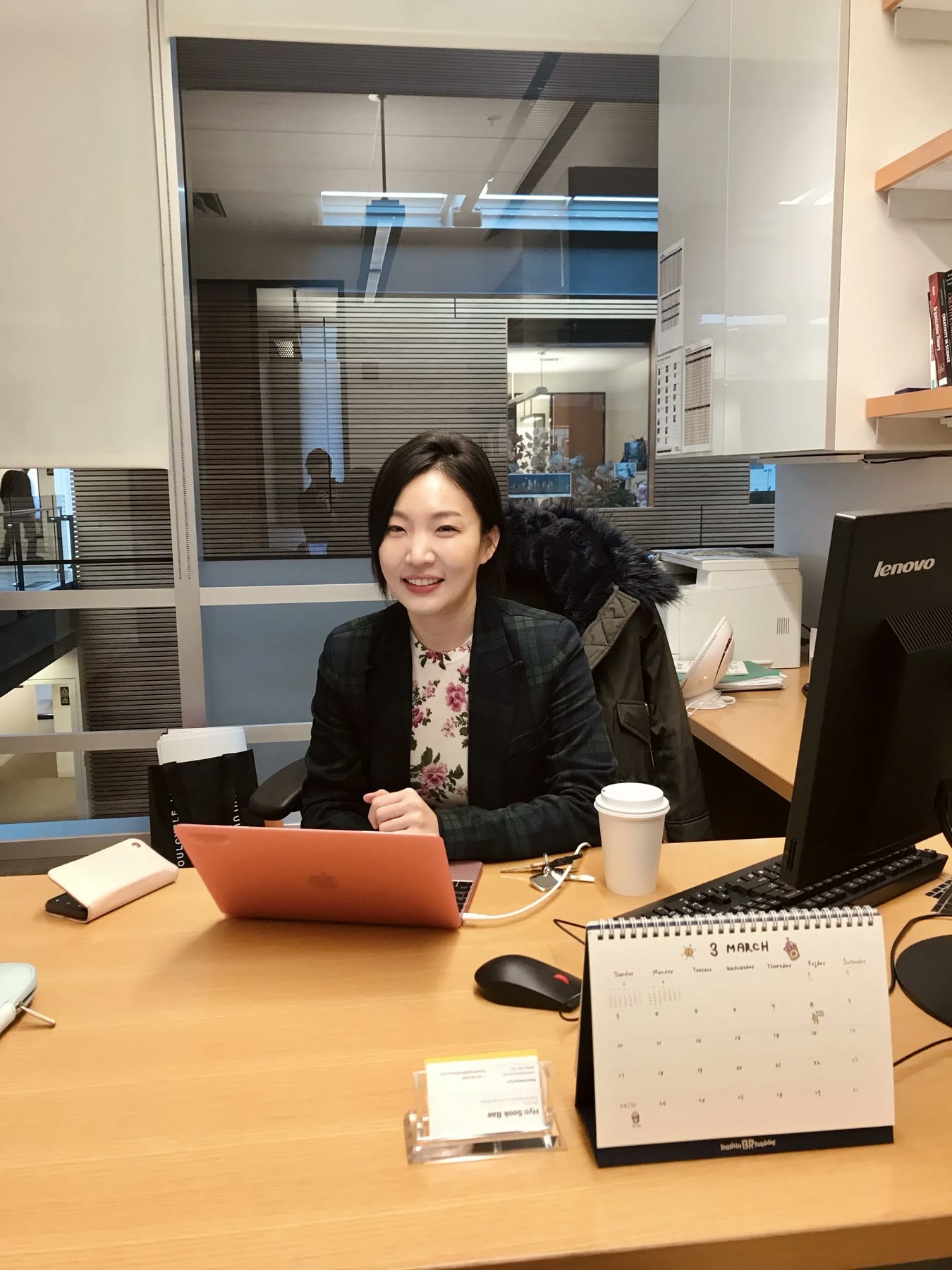
An early morning in my faculty office at PACCAR Hall. So many memories here, but some of my favorites are the countless hours spent with students brainstorming startup ideas, talking through career choices, and reflecting on how we can be better people and a force for good in our own ways.
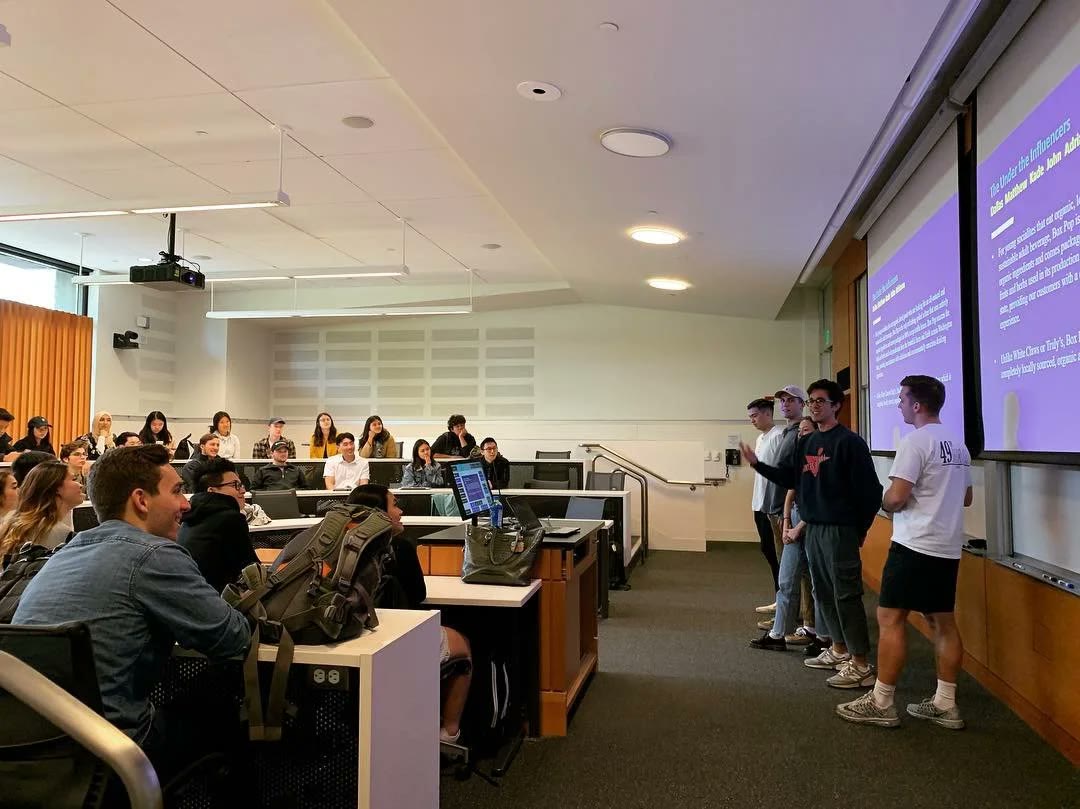
In the classroom at UW Foster, teaching strategic management and entrepreneurship. Most of my courses were heavily project-based, giving me a front-row seat to what some of the brightest minds of the next generation could create.
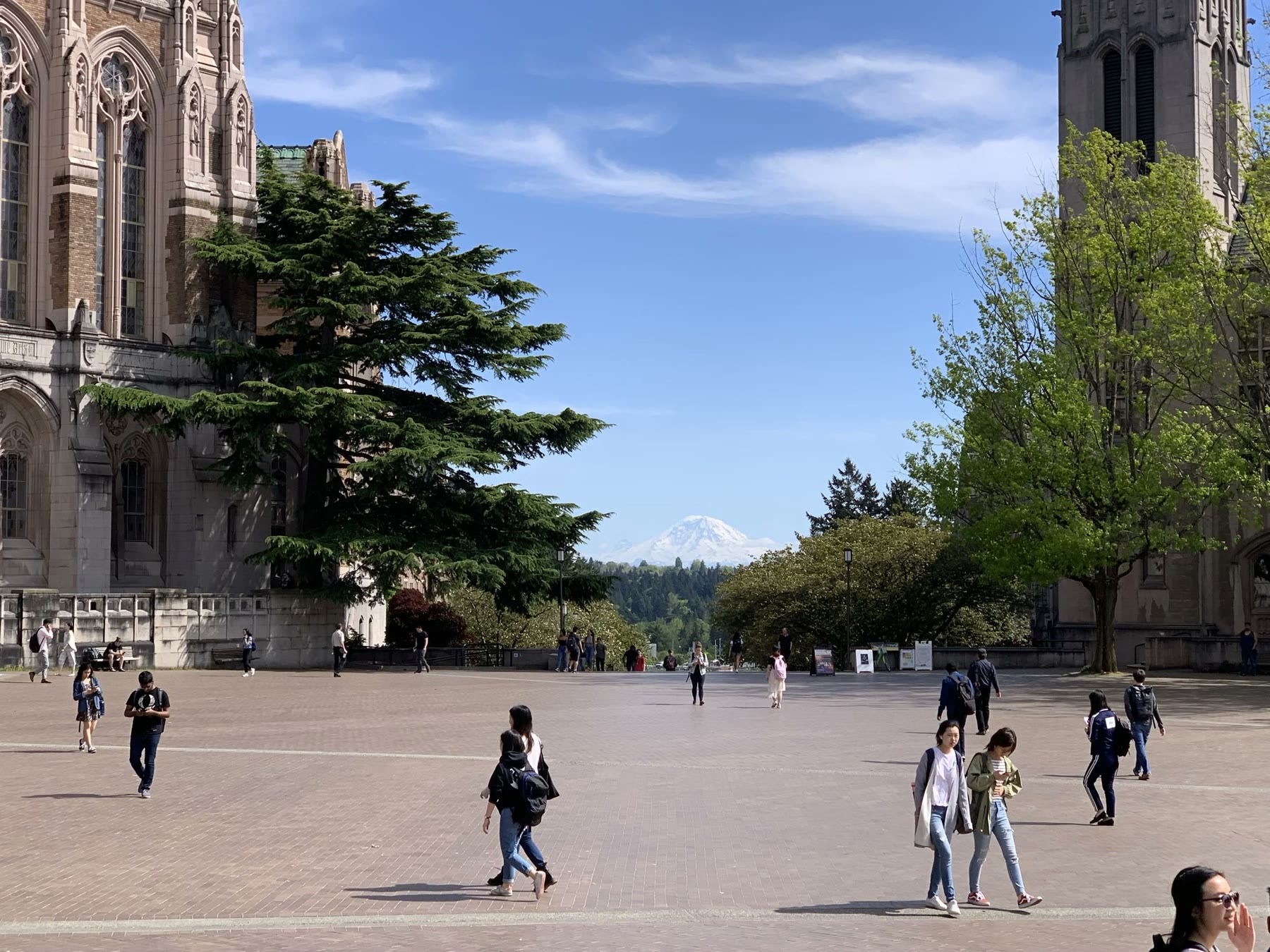
The University of Washington's Seattle campus offered a breathtaking view of Mount Rainier, which greeted me on every commute.
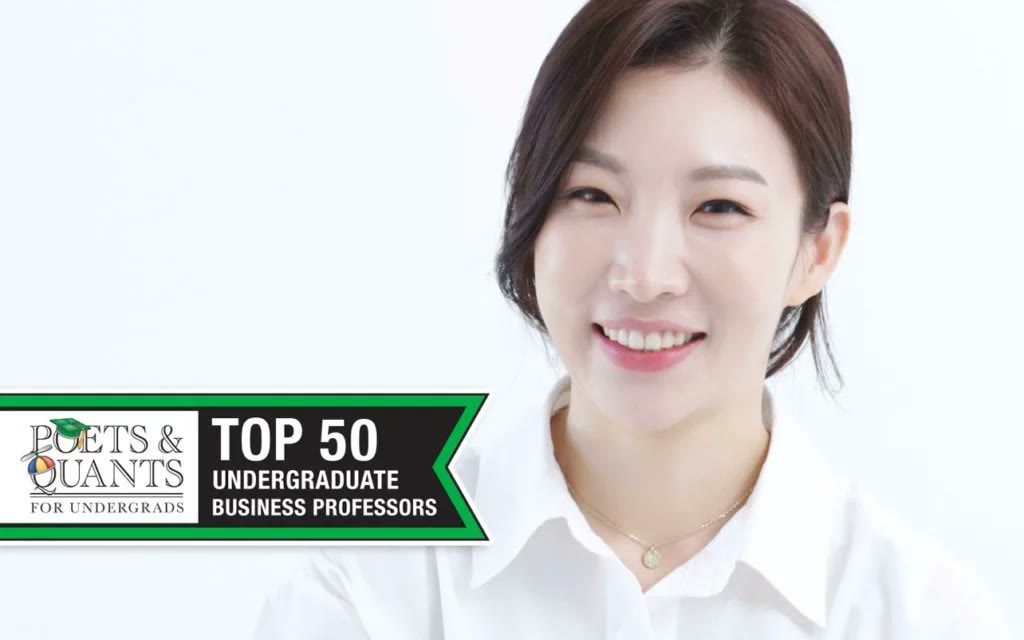
In December 2020, I was named one of Poets&Quants’ Top 50 Undergraduate Business Professors in recognition of my research and teaching.
Read the story (opens in a new tab)Writing and Speaking
on the tokenized world
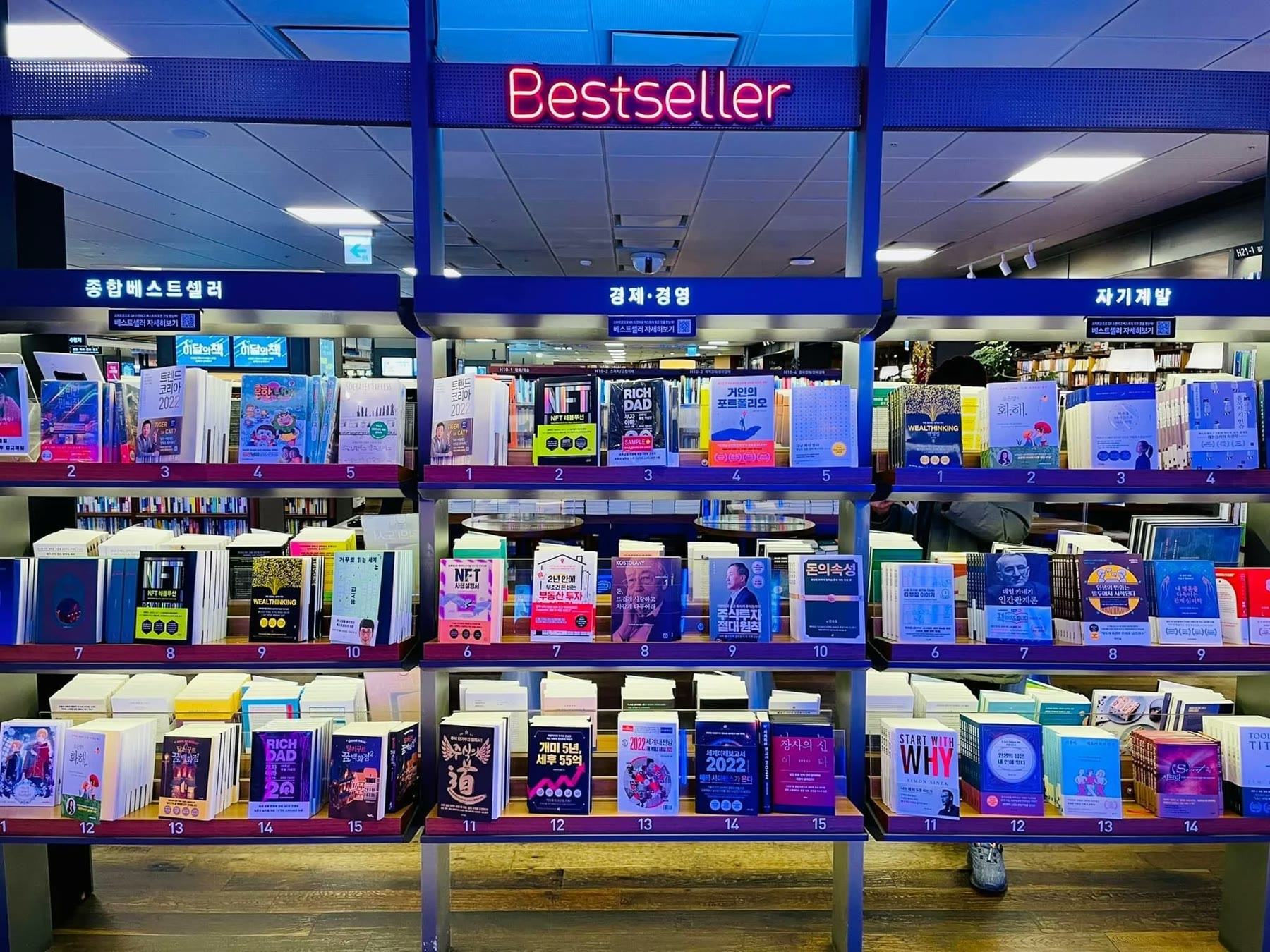
In the fall of 2021, I published NFT Revolution, a book about NFTs. It explores how digital ownership is changing the way we create, exchange, and think about value, from art and music to gaming and virtual worlds. The book soon became a national bestseller in Korea and was later translated into several languages across Asia. Seeing it on a bestseller shelf was a wonderfully surreal experience.
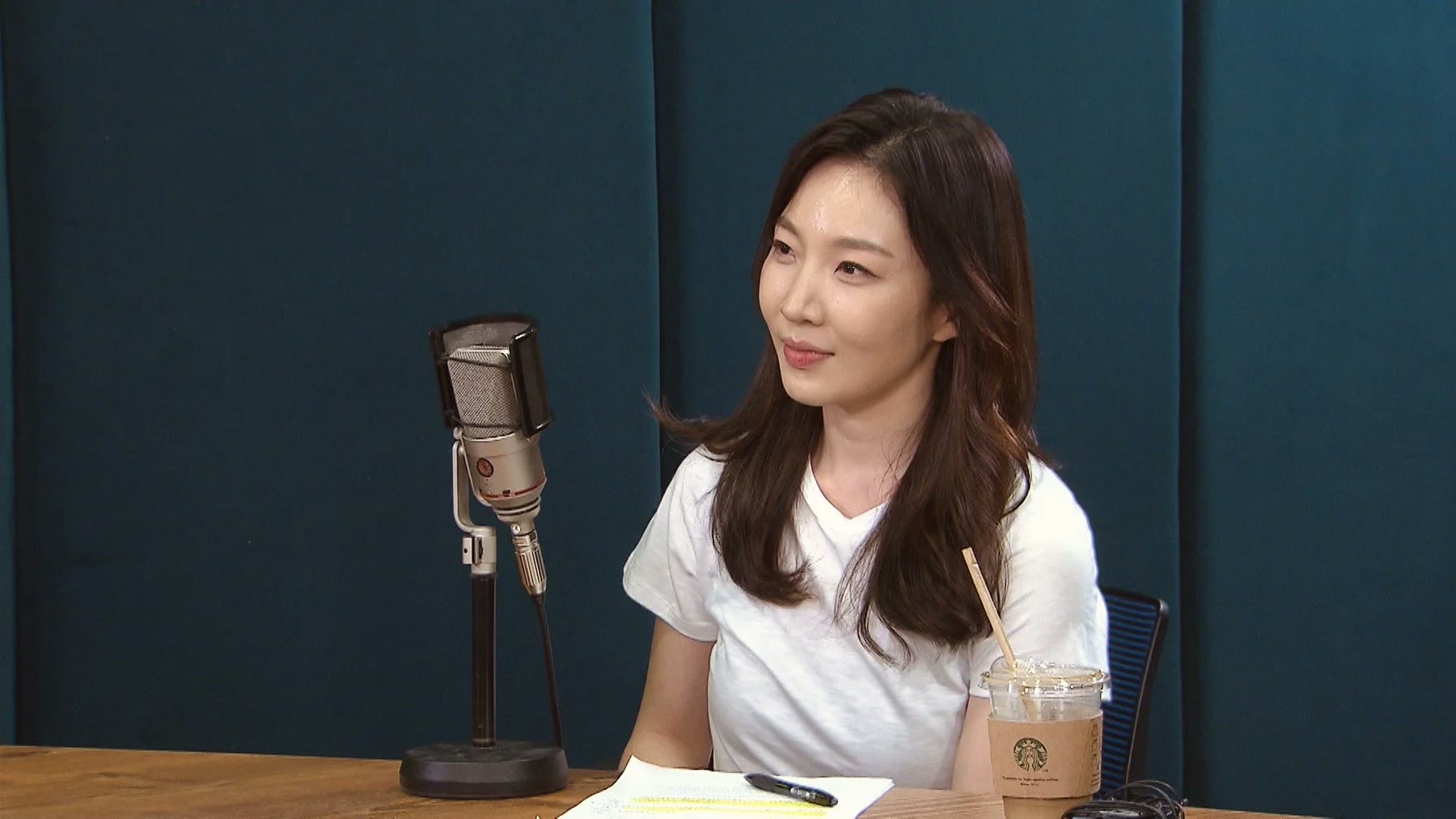
Behind the microphone, mid-recording. In the months following the success of NFT Revolution, I found myself moving from one talk, interview, and guest appearance to the next. I hadn’t expected any of this when I left UW to build a Web3 startup, so I was especially grateful for every opportunity that came my way.
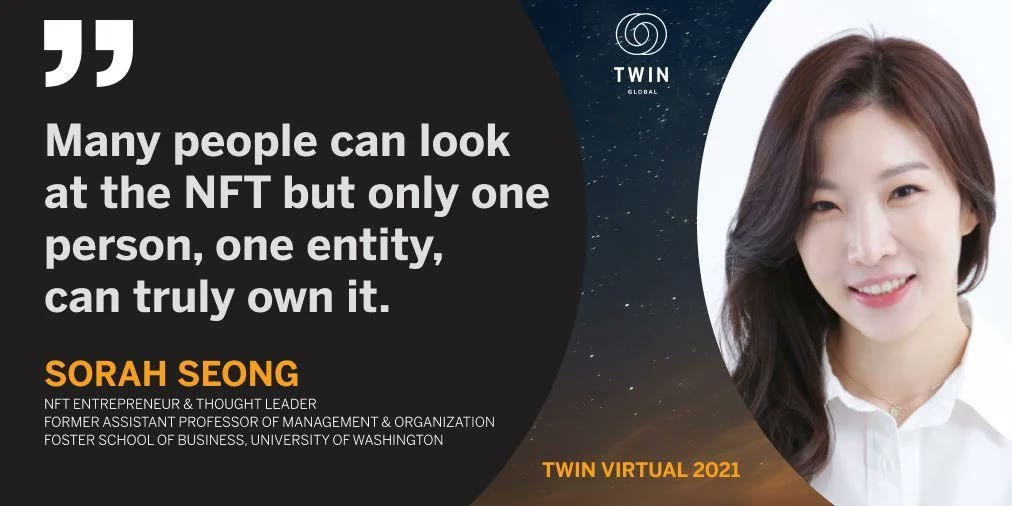
Speaking at TWIN Virtual 2021 about NFTs at the intersection of culture and technology. In conversation with Rob Wolcott, I explored a paradox of digital art: how something freely shared can become more valuable, and how abundance and scarcity can work together. Sept 2021.
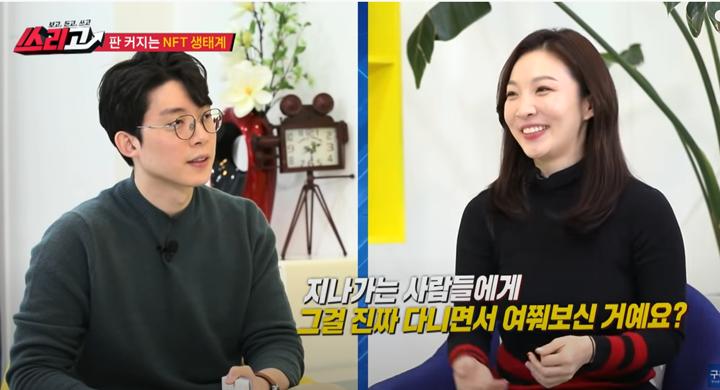
Trading academic conference panels for media interviews took some getting used to, but I soon discovered how much I enjoyed the change of pace.
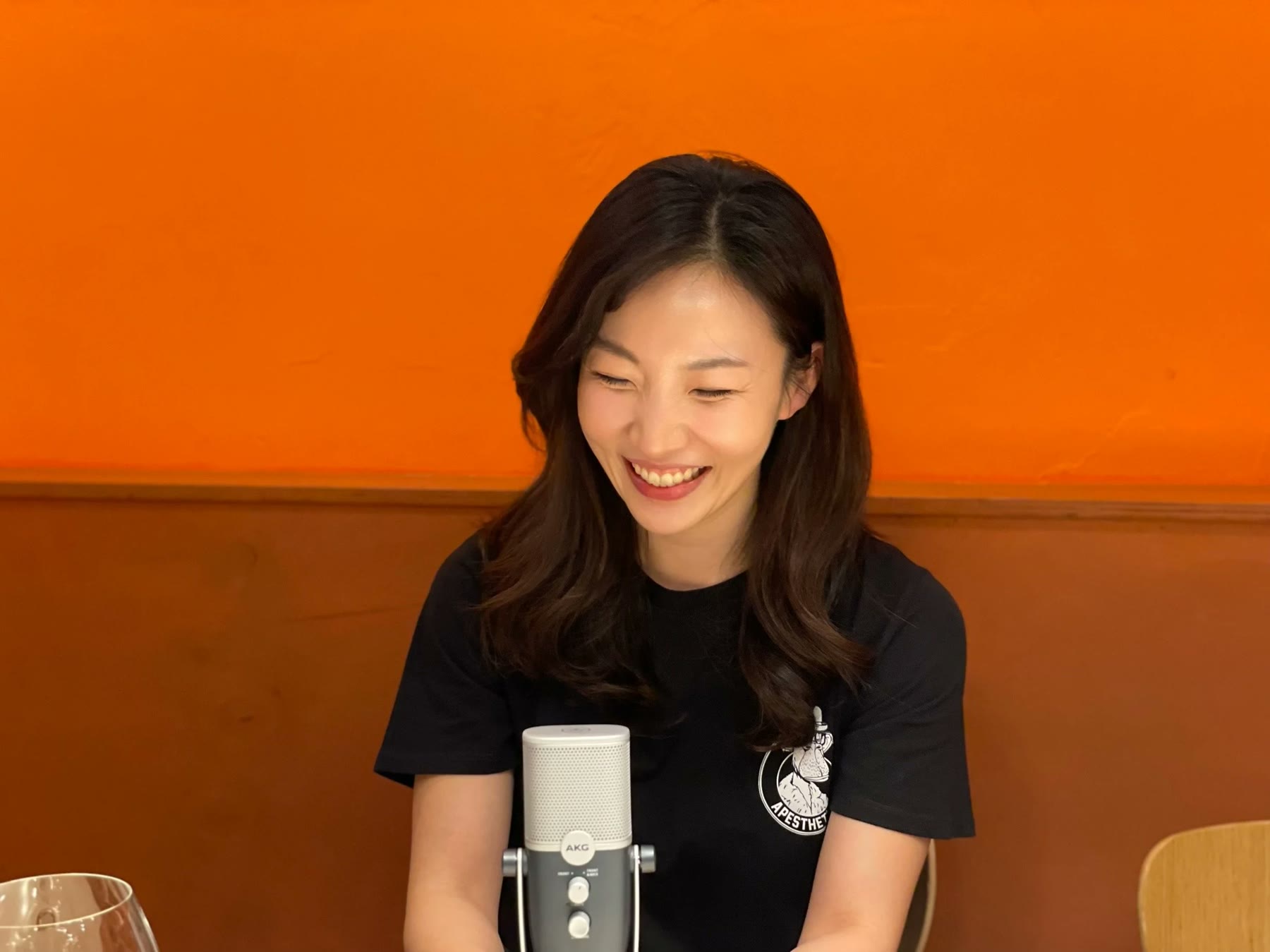
Whenever I had the chance, I tried to shift the conversation from the trees to the forest: beyond the craze for NFT collectibles to the broader rise of the token economy.
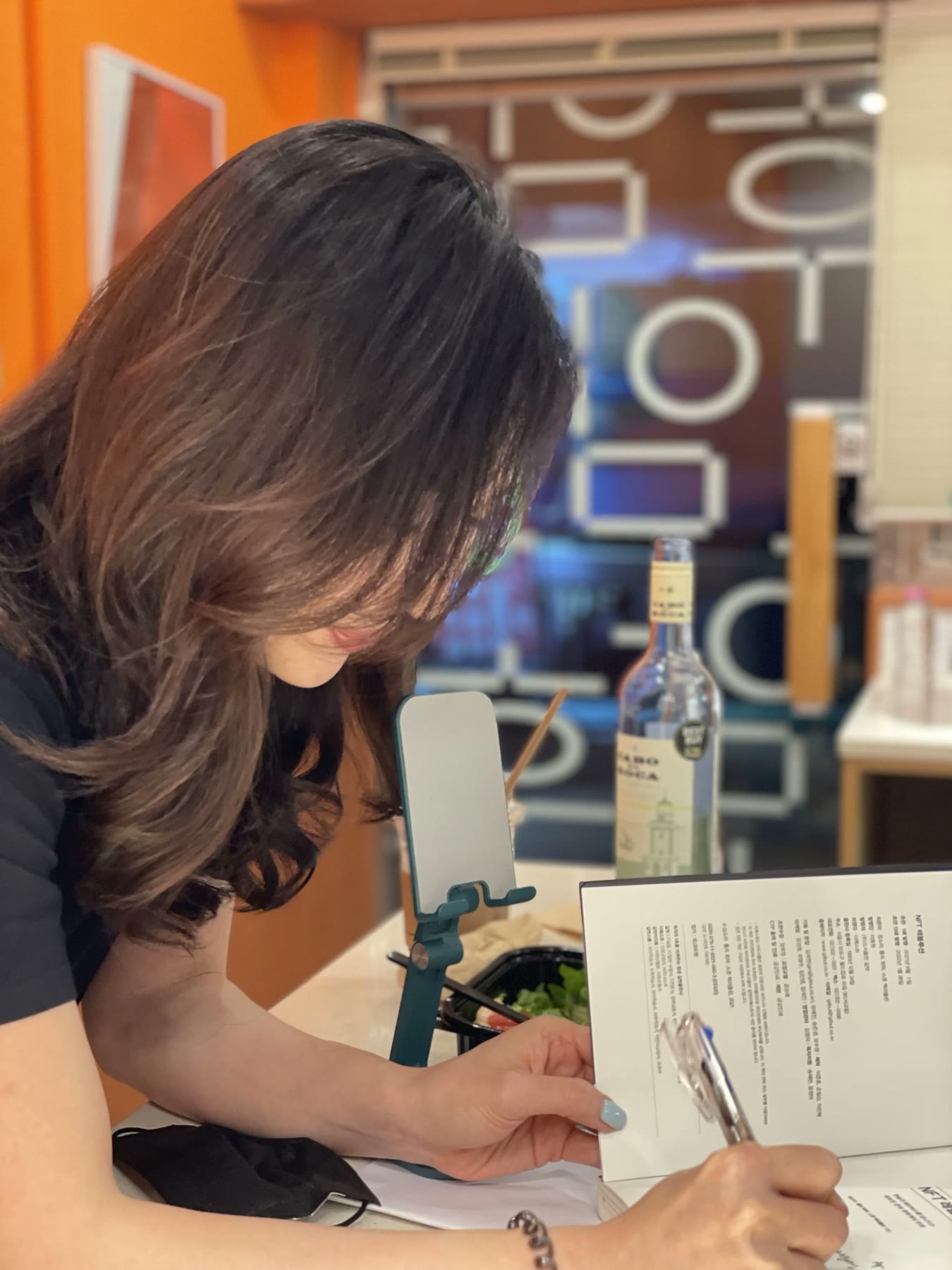
Signing copies of NFT Revolution, one of the small rituals that made the book feel real.
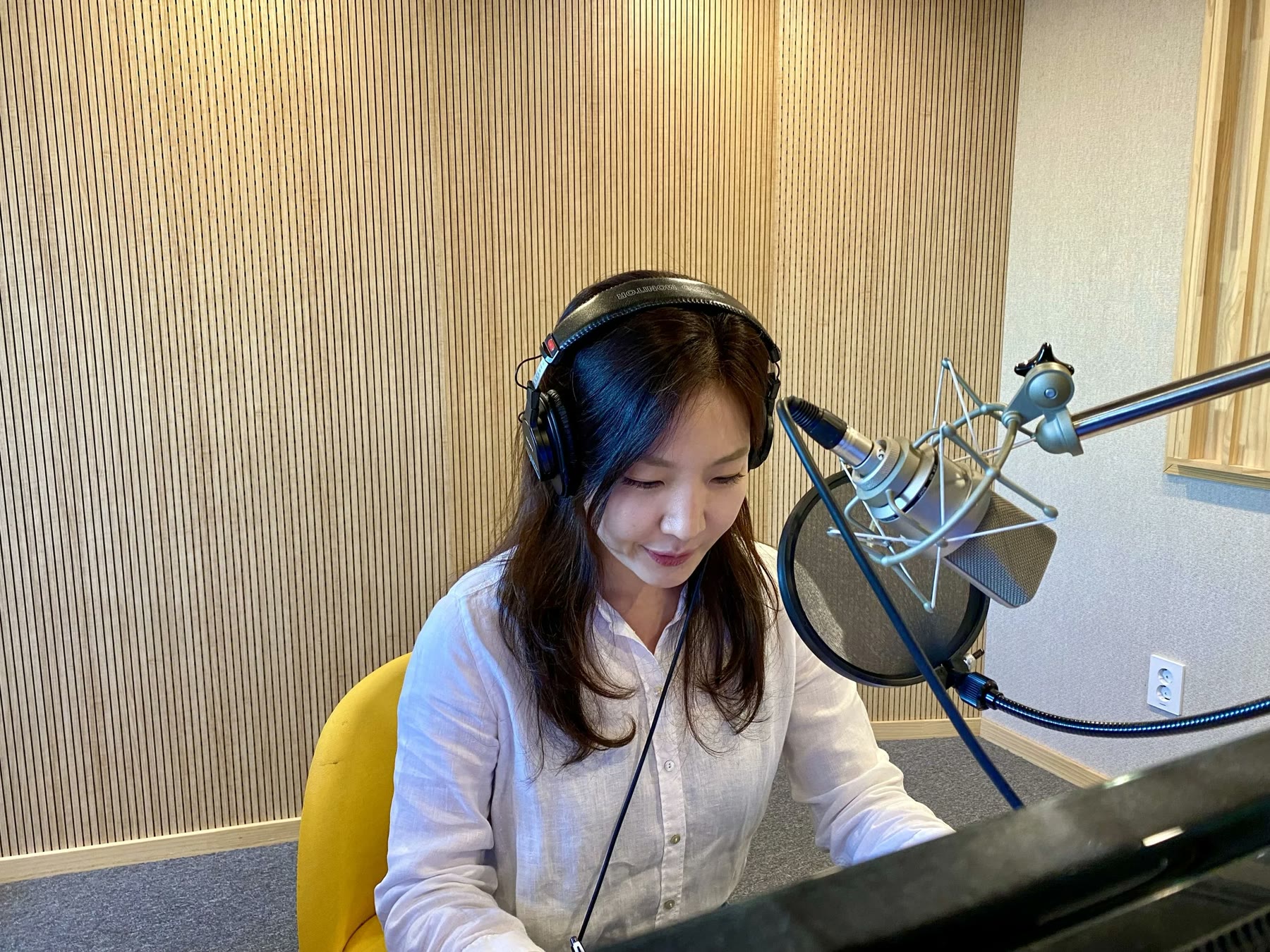
I even had the chance to record voice-overs for a few documentaries about crypto and Web3. I still cringe a little at the sound of my own voice, but I had so much fun doing it. Sometime in 2022.
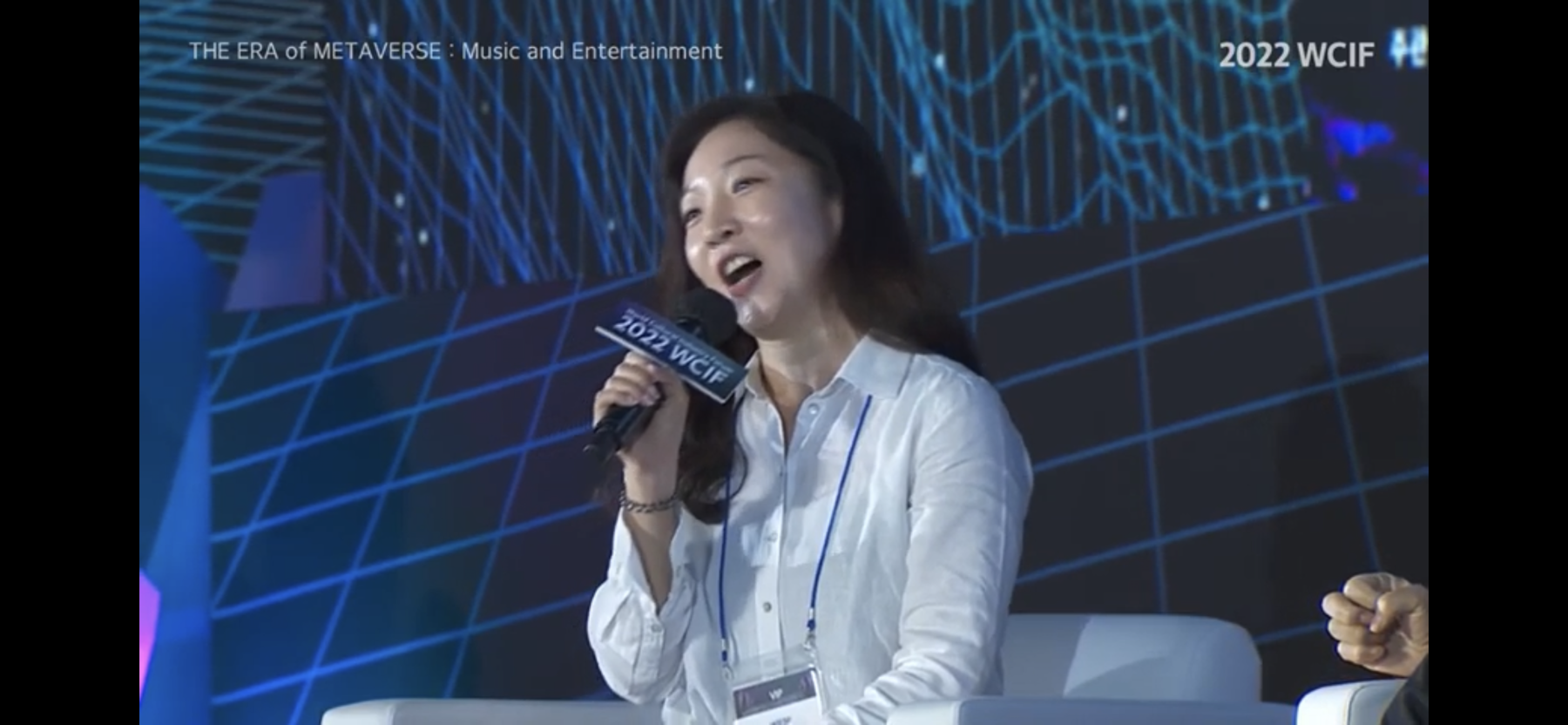
Moderating a conversation on the metaverse and the future of entertainment at the World Cultural Industry Forum (WCIF). The session featured The Sandbox co-founder Sébastien Borget and other leaders across music and technology. We explored how virtual worlds could bring artists, fans, and creators together in new ways. Jul 2022.
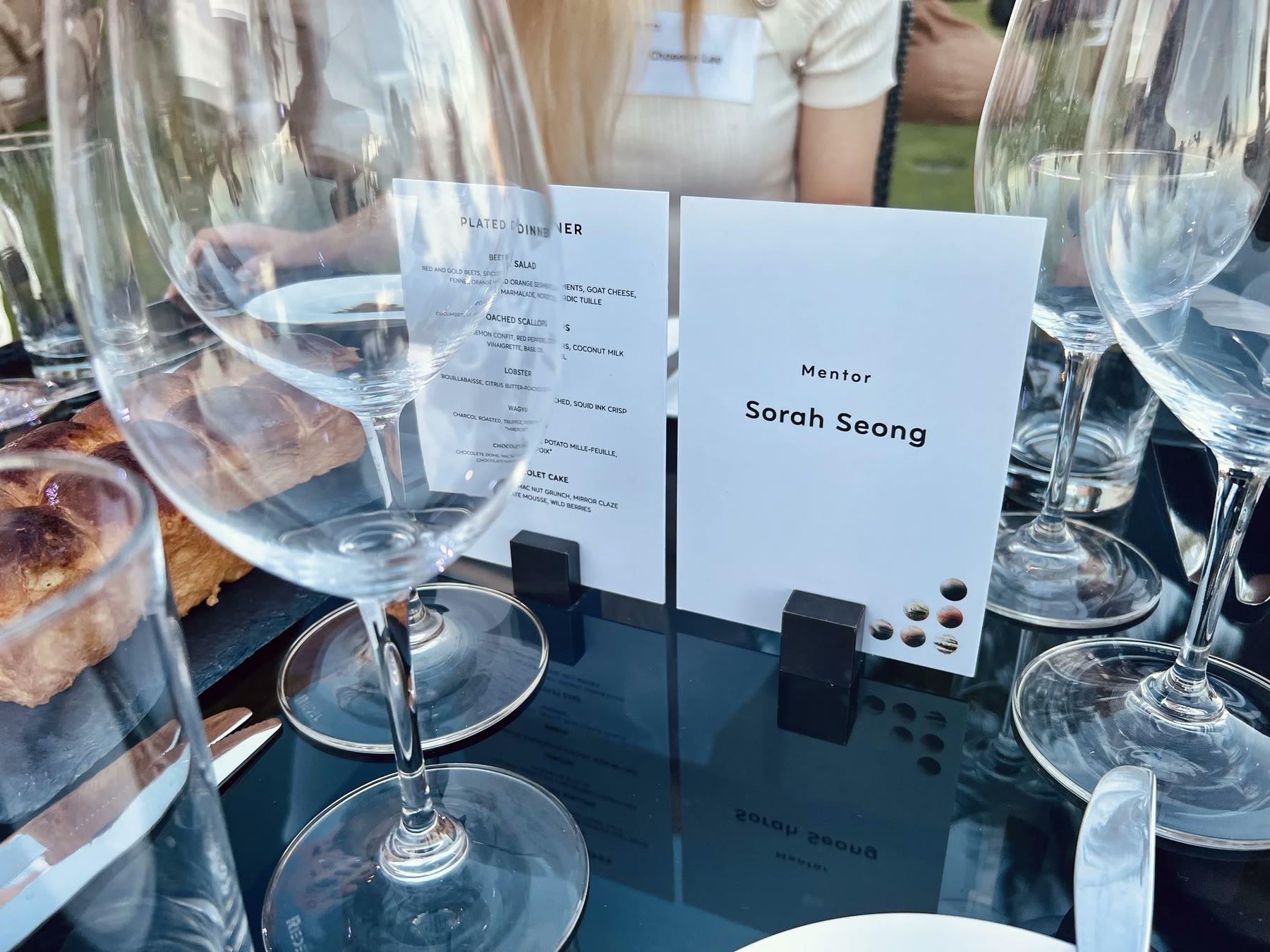
One of my fondest memories of 2022 was mentoring an inspiring group of college students from across the US at a Web3 camp in Hawaii. From delivering a keynote and leading mentoring sessions to snorkeling and taking private cooking classes together, it was an experience I’ll always treasure. Aug 2022.
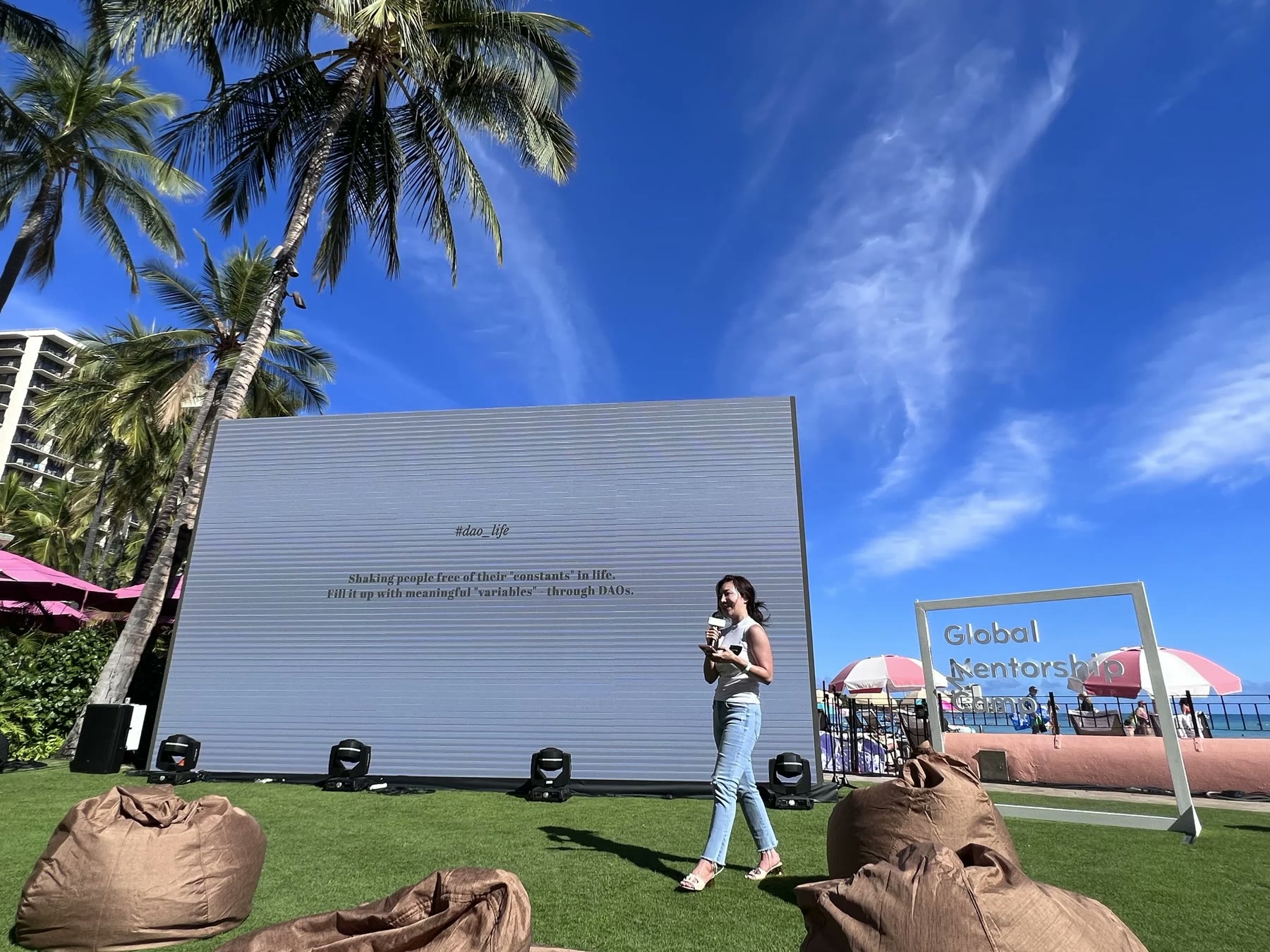
Giving a keynote speech at a Web3 mentoring camp in Hawaii. I spoke about becoming ready by doing, embracing unexpected turns, and finding opportunities that connect our talents and passions. I also explored how DAOs could give people more flexible ways to contribute, take ownership of their work, and create something meaningful together. Aug 2022.
Read the story (opens in a new tab)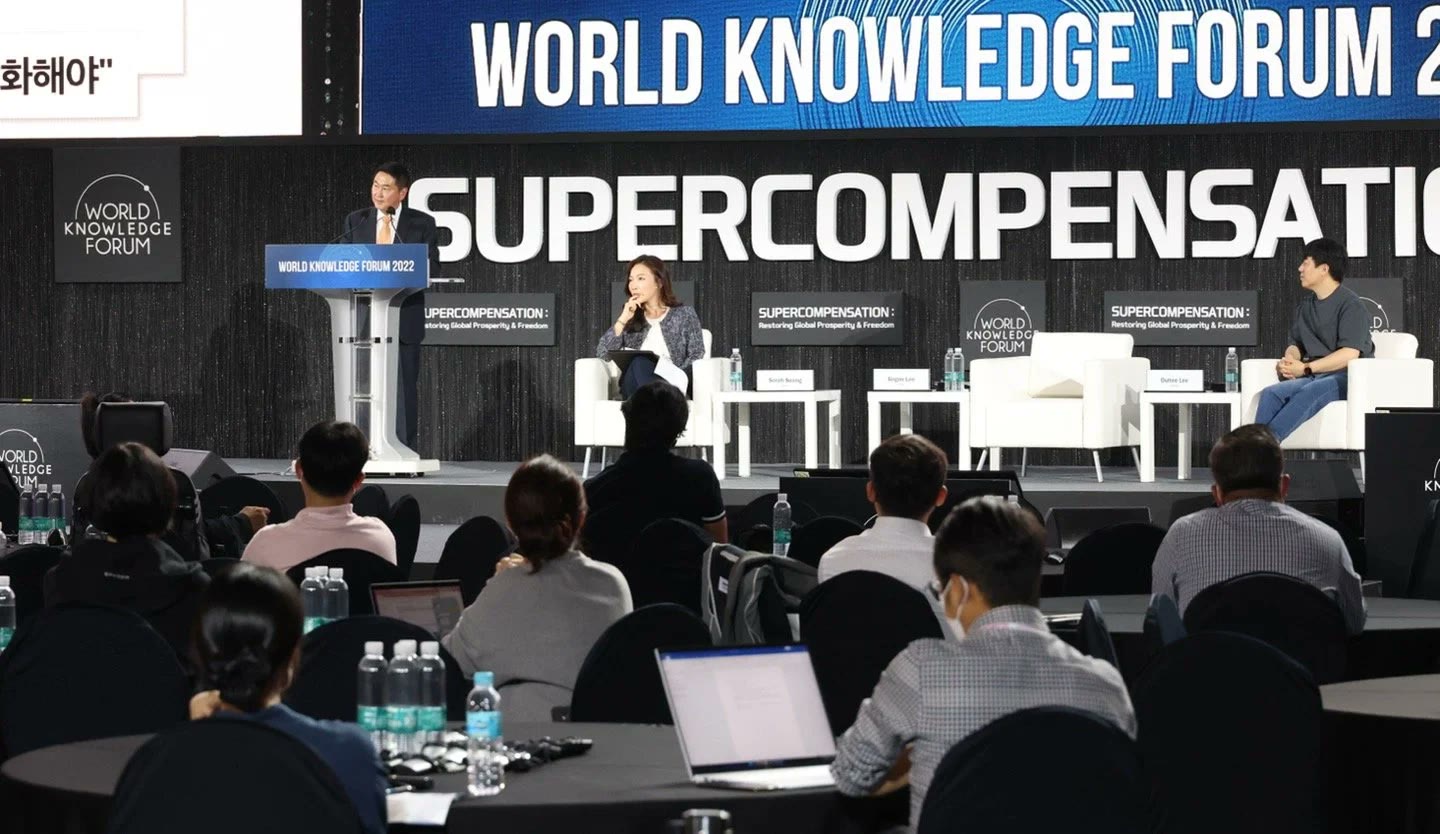
Moderating a discussion on digital assets at the World Knowledge Forum (WKF). The session brought together two questions: how to make blockchain useful in everyday life, and how to build a safer, more transparent market. Sept 2022.
Building in Crypto/Web3
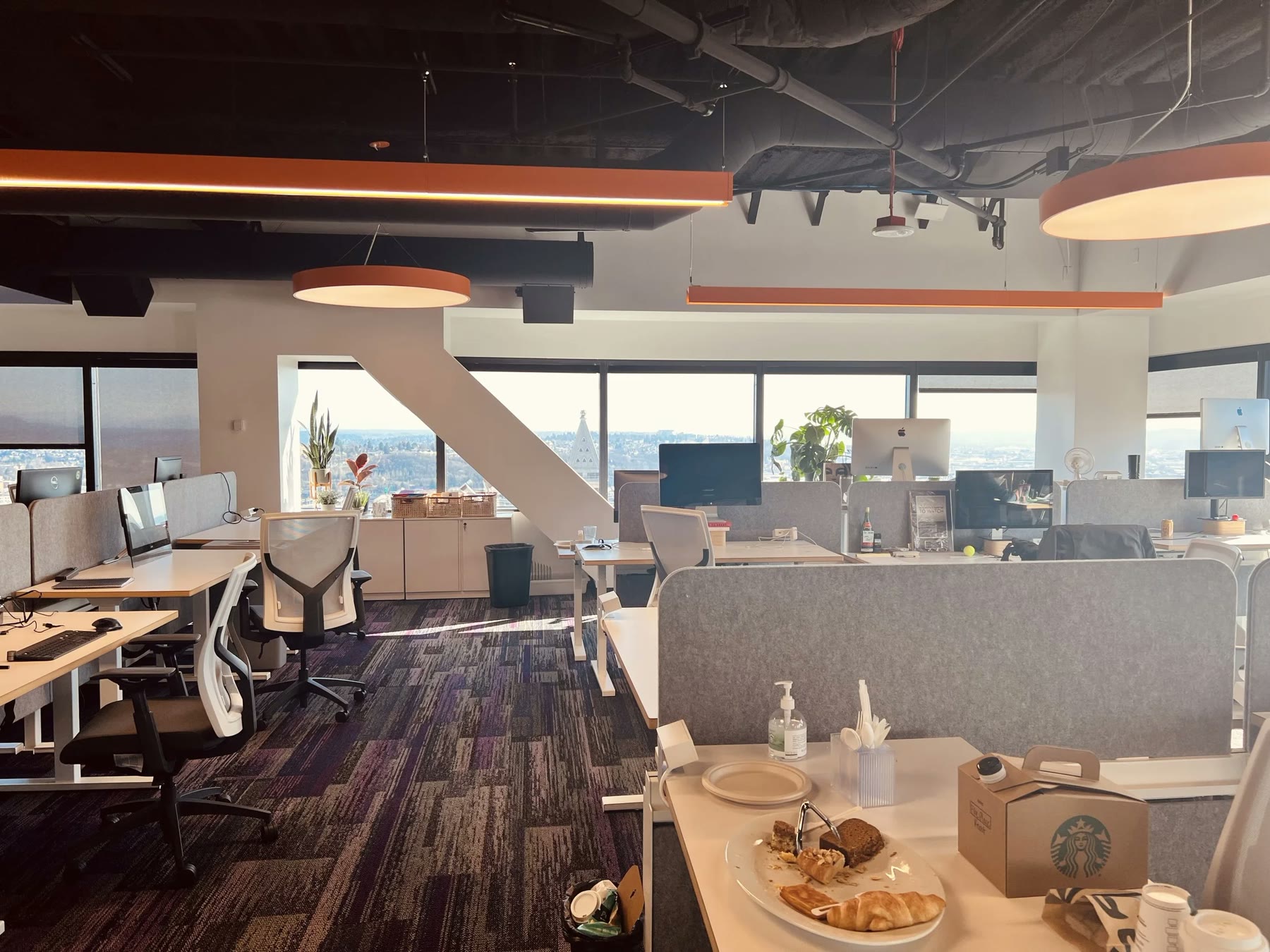
Inside Madrona Venture Labs (MVL), where I spent the first half of 2022 as an Entrepreneur-in-Residence leading a Web3 venture. After UW and the success of NFT Revolution, it was an exciting transition from studying new ventures to building one. Working with MVL’s leadership and tech leads came with a steep learning curve, but their support made the journey all the more rewarding.
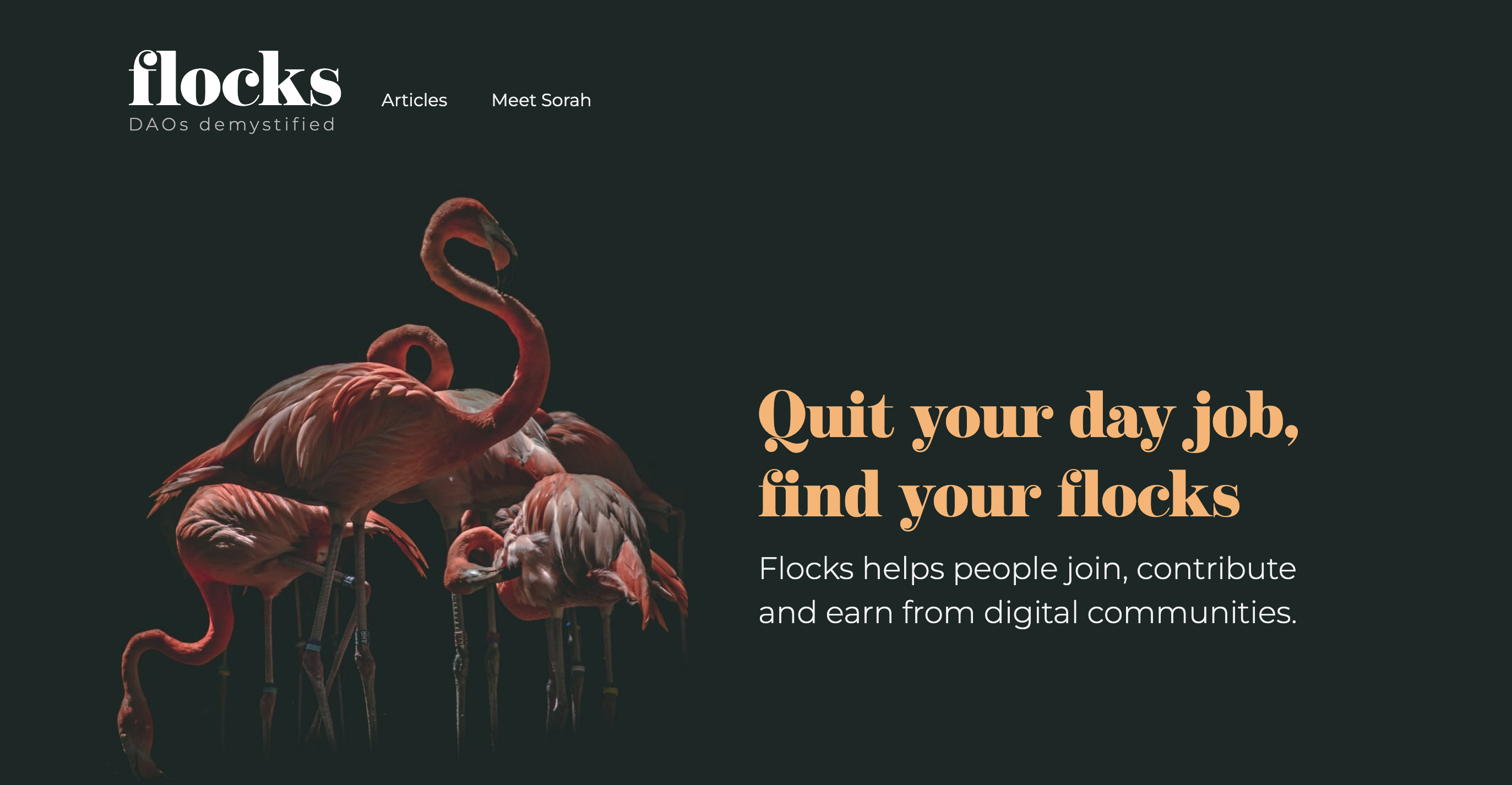
At MVL, I explored a challenge in the landscape of decentralized autonomous organizations (DAOs): how could people find the right communities, and how could DAOs attract and engage members? Flocks was a concept for bridging that gap, helping people discover DAOs that matched their interests and helping communities grow meaningful participation. Find your flock. 🦩 Find your DAOs.
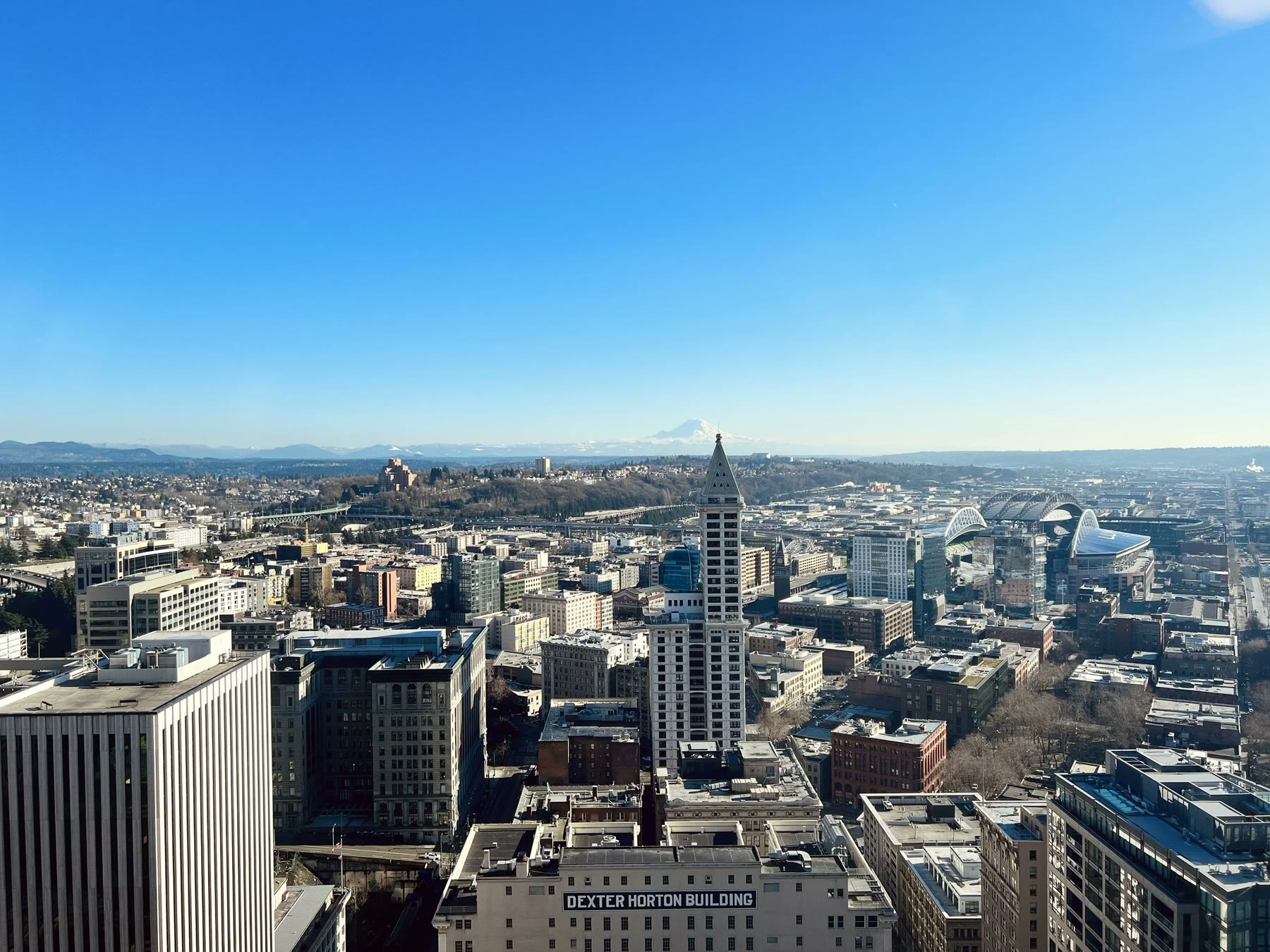
A breathtaking view of Seattle from the MVL office. It was the same Mount Rainier that had greeted me on my daily commute to and from UW, but somehow it felt different to see it this time as an entrepreneur.
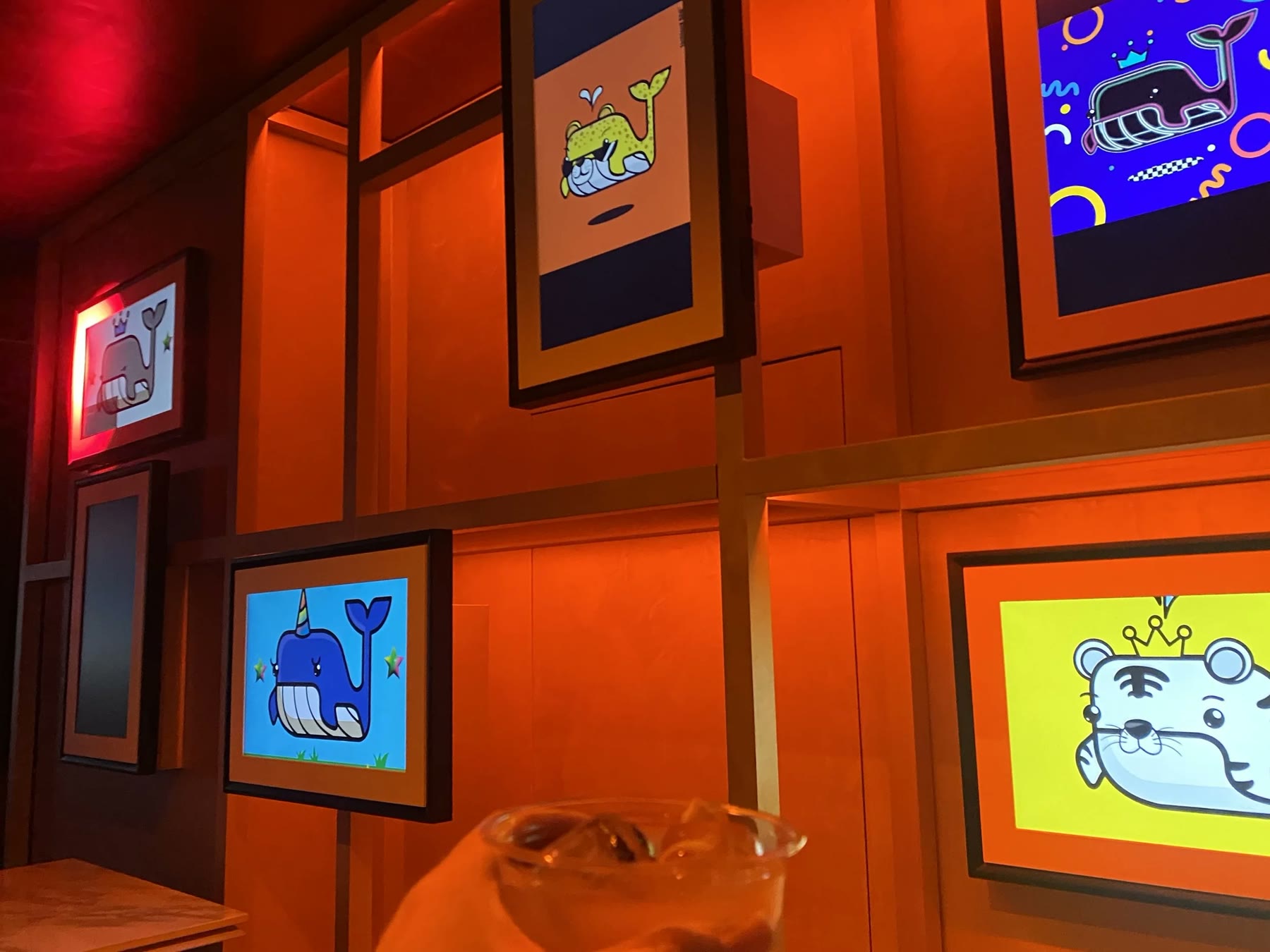
FashionxDAO was a passion project I started with friends who shared an interest in fashion and Web3. We used NFTs to bring creators and supporters together and turn ideas into physical clothing. At our launch party in the winter of 2022, we celebrated a shared ambition: to move beyond the hype around DAOs and create something tangible.
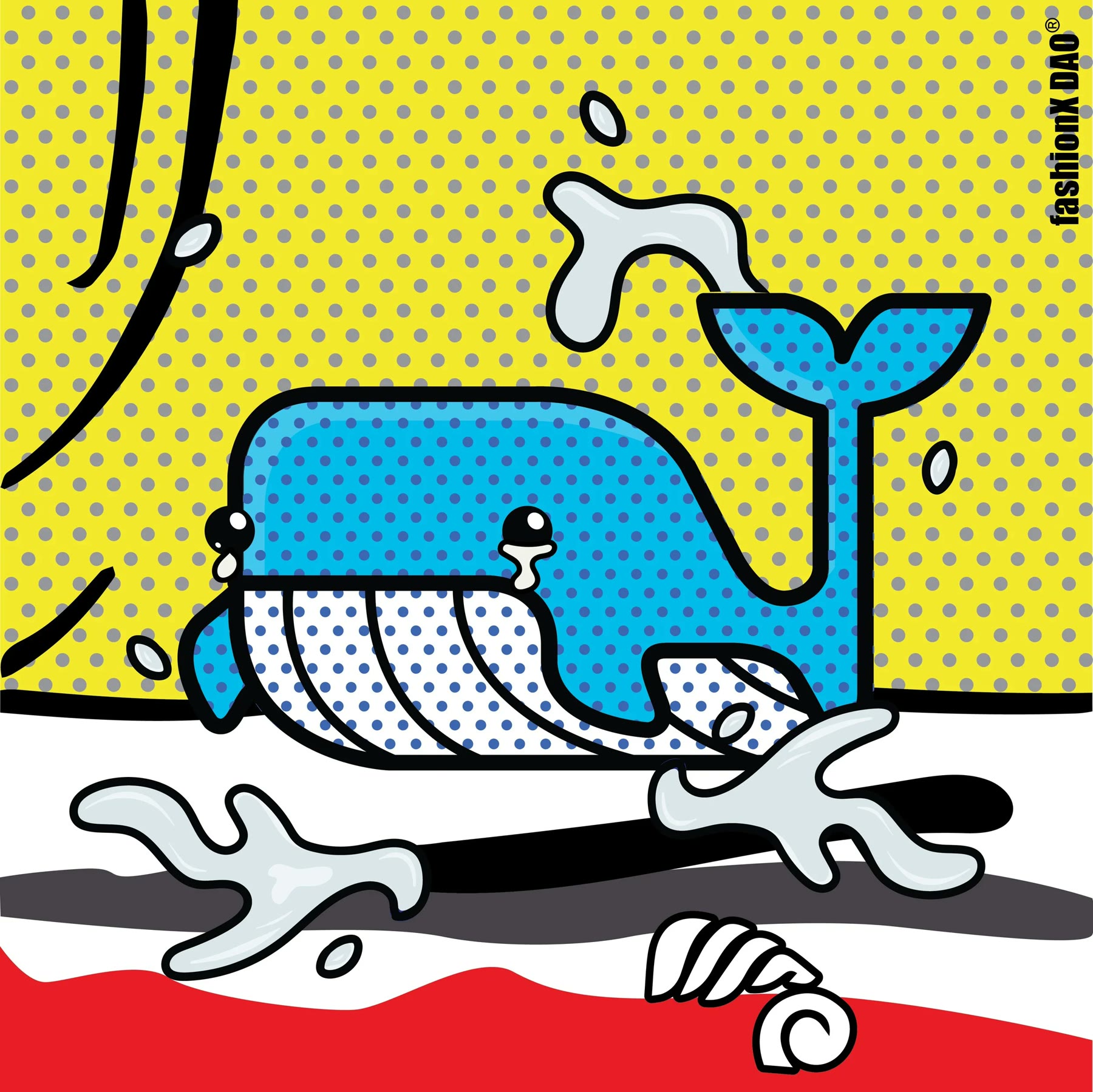
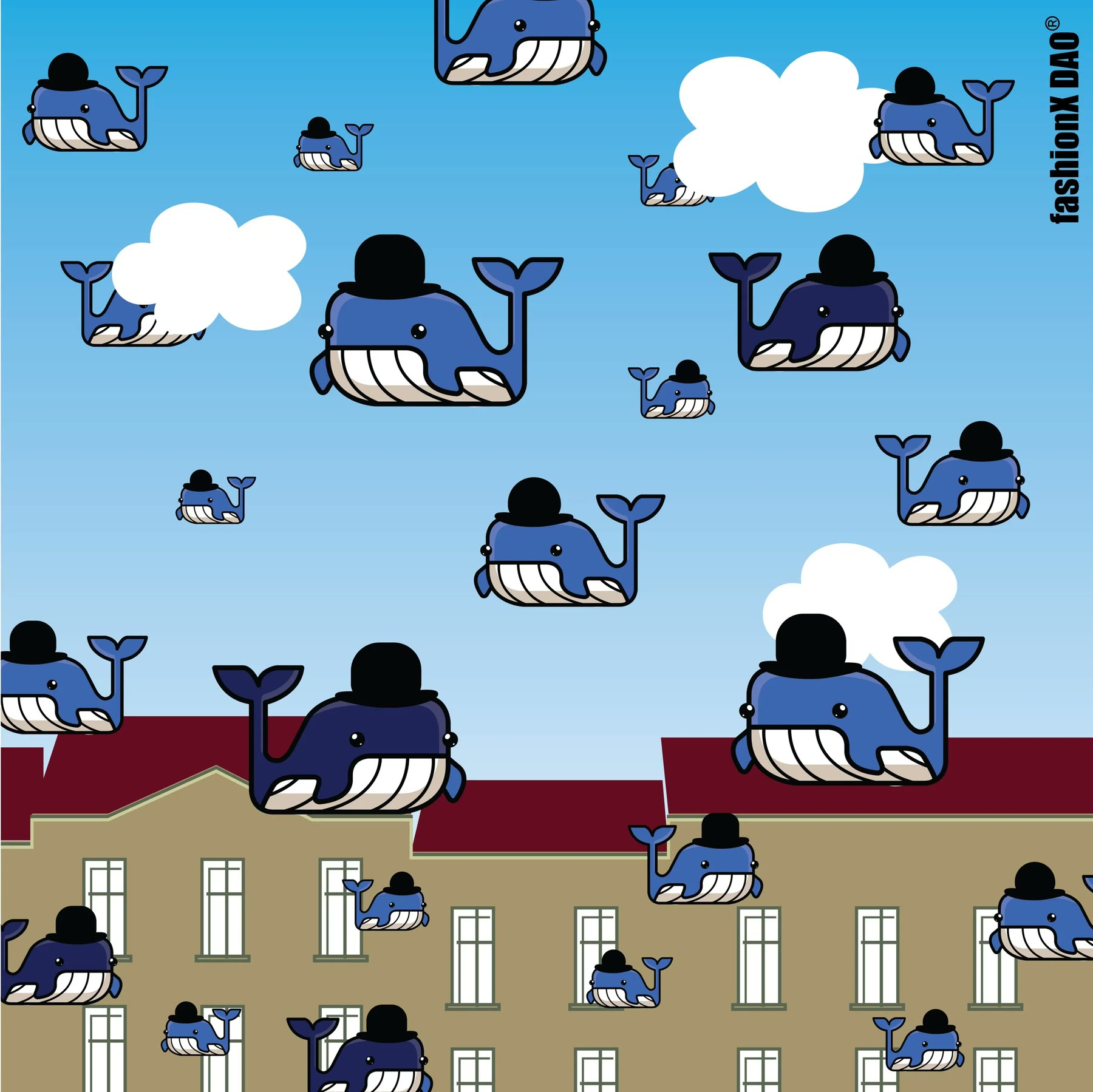
A selection of fashionxDAO NFTs from our “Save the Whales” pilot season. The collection had three tiers: Standard, Premium, and Super Premium. The two higher tiers were individually designed rather than algorithmically generated. Every NFT included a redeemable “Save the Whales” T-shirt; the Super Premium version featured a hand-embroidered whale by textile artist @meankey.
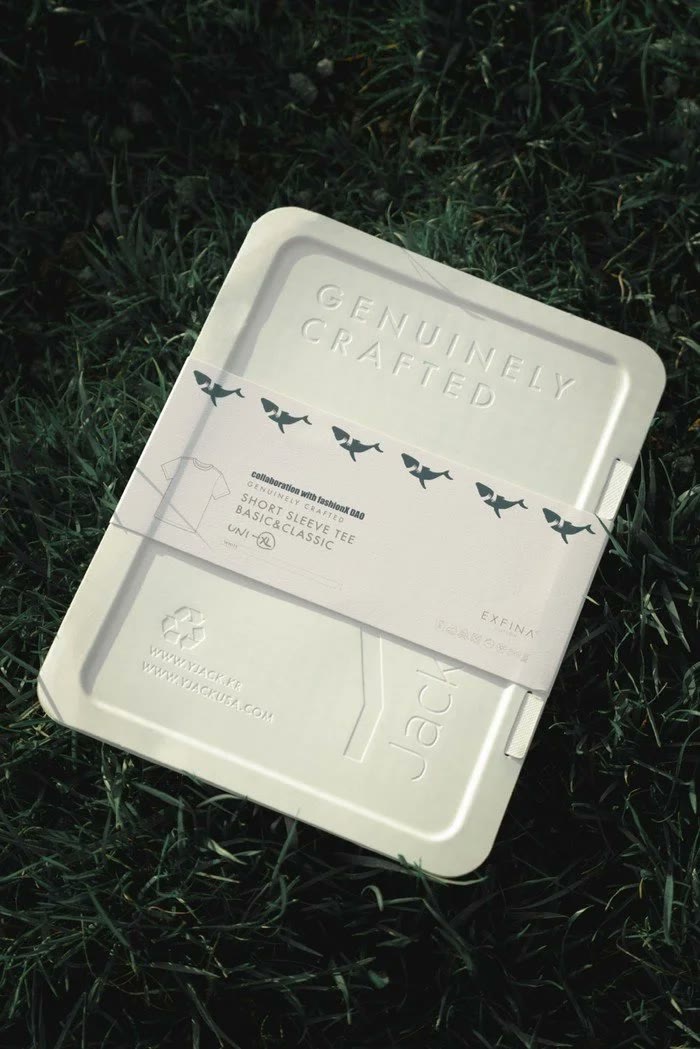
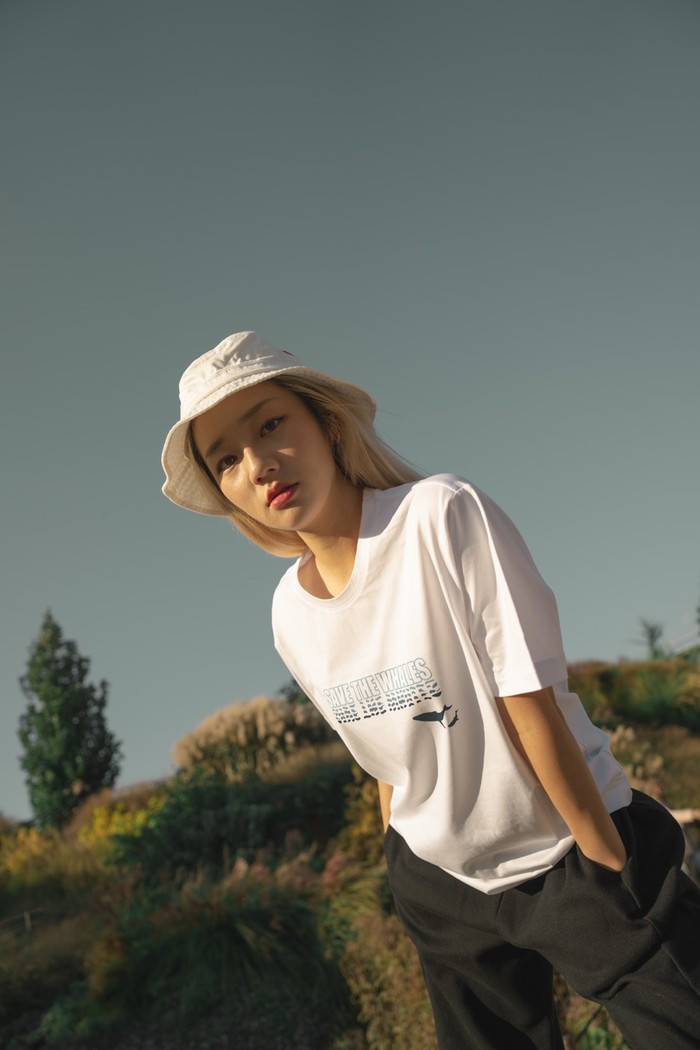
Clothing from our ‘Save the Whales’ pilot, created with a mission to support marine conservation through proceeds from NFT sales.
After months of preparation, SQRT was born in the winter of 2022. We saw crypto as blockchain’s killer app: it gave people a new way to build wealth and made the promise of Web3 feel tangible. But most retail investors had little to no access to the kinds of algorithmic trading strategies available to institutions and high-net-worth individuals. We started SQRT to close that gap, building personalized crypto trading strategies with a simple goal: to make it easier and safer for everyday investors to build wealth.
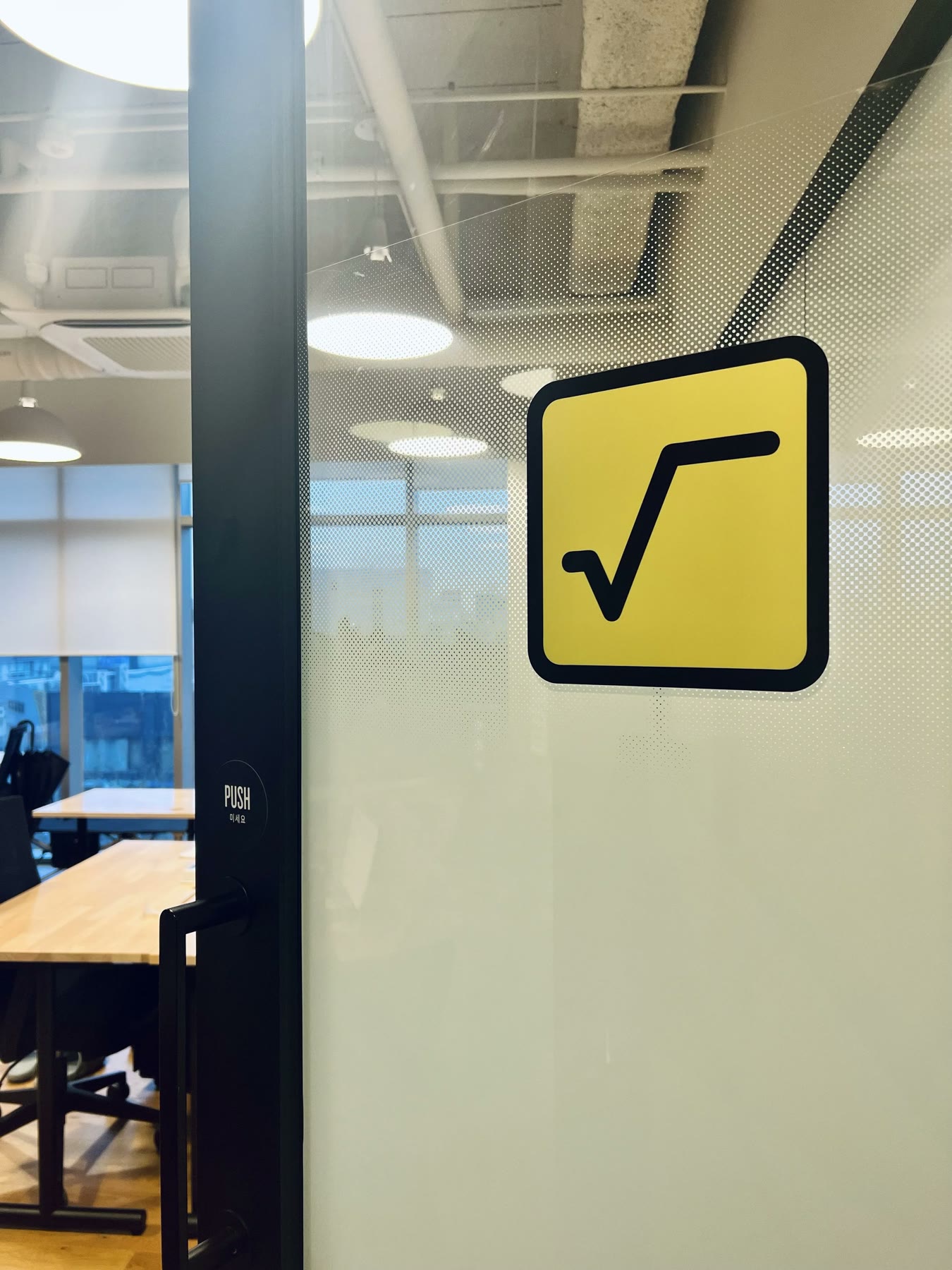
Welcome to the SQRT office! We took our name from the square root in the volatility formula, a nod to our goal of helping everyday investors understand and manage the risks of crypto trading. Before launch, we worked from separate coworking spaces to keep costs down. Finally having a place of our own felt special.
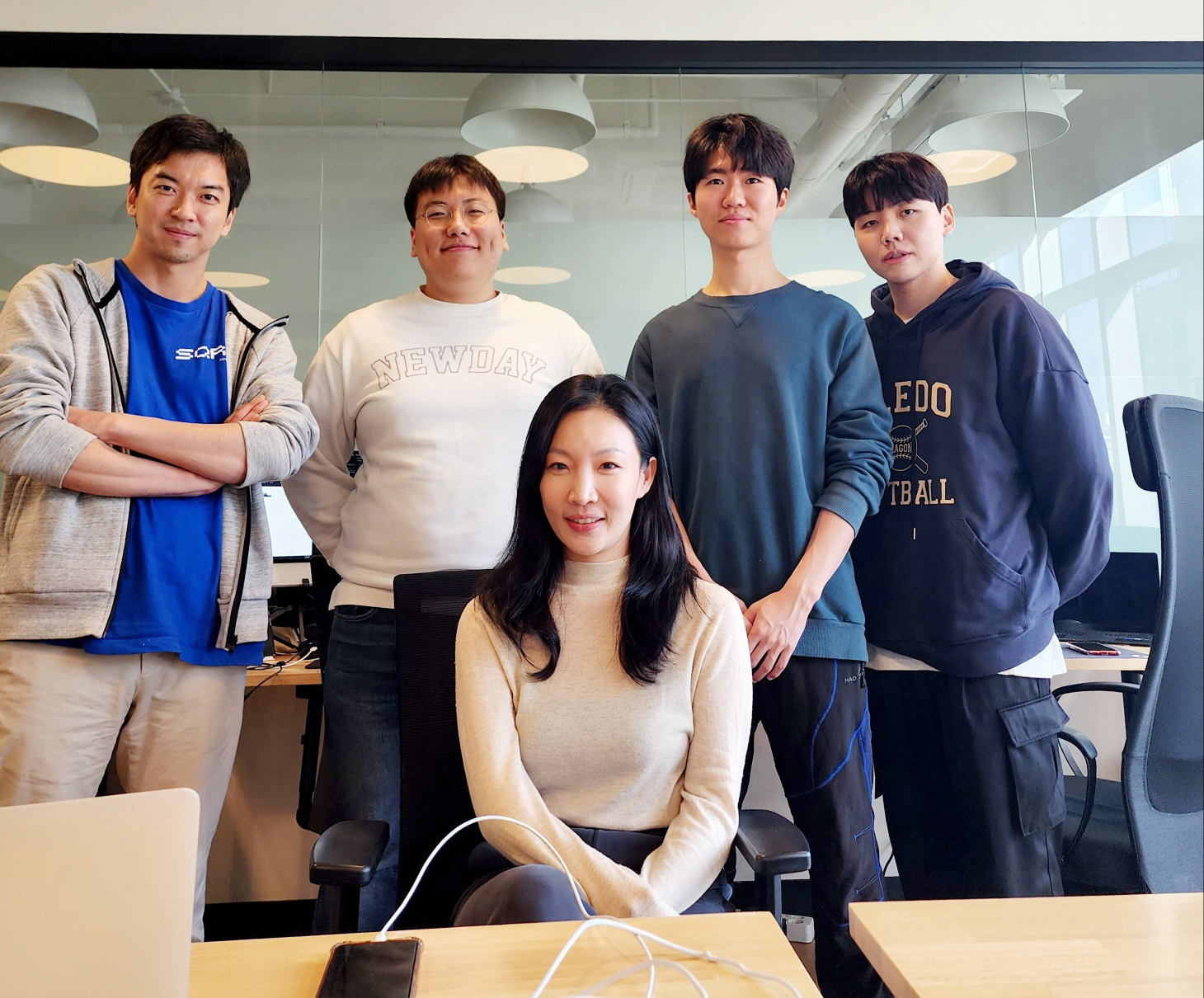
We were a lean team of five: hedge fund quant traders and developers with years of experience in traditional equity markets. Our traders had a track record in live crypto trading that went back well before we founded SQRT. They were exceptionally good at what they did, and they shared my conviction that everyday investors, not just the wealthy, should have access to those strategies. Building SQRT with them was a thrill, every single day.
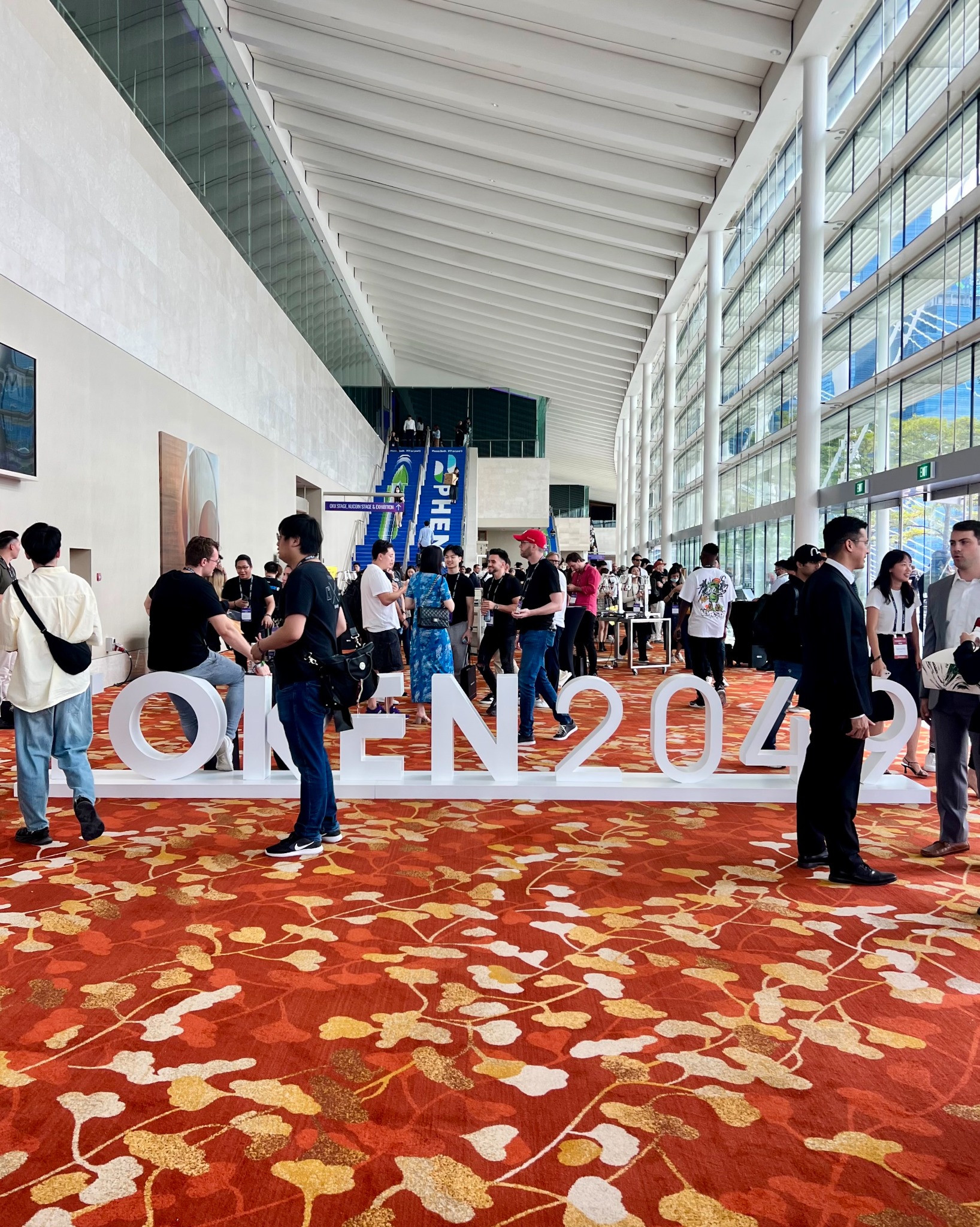
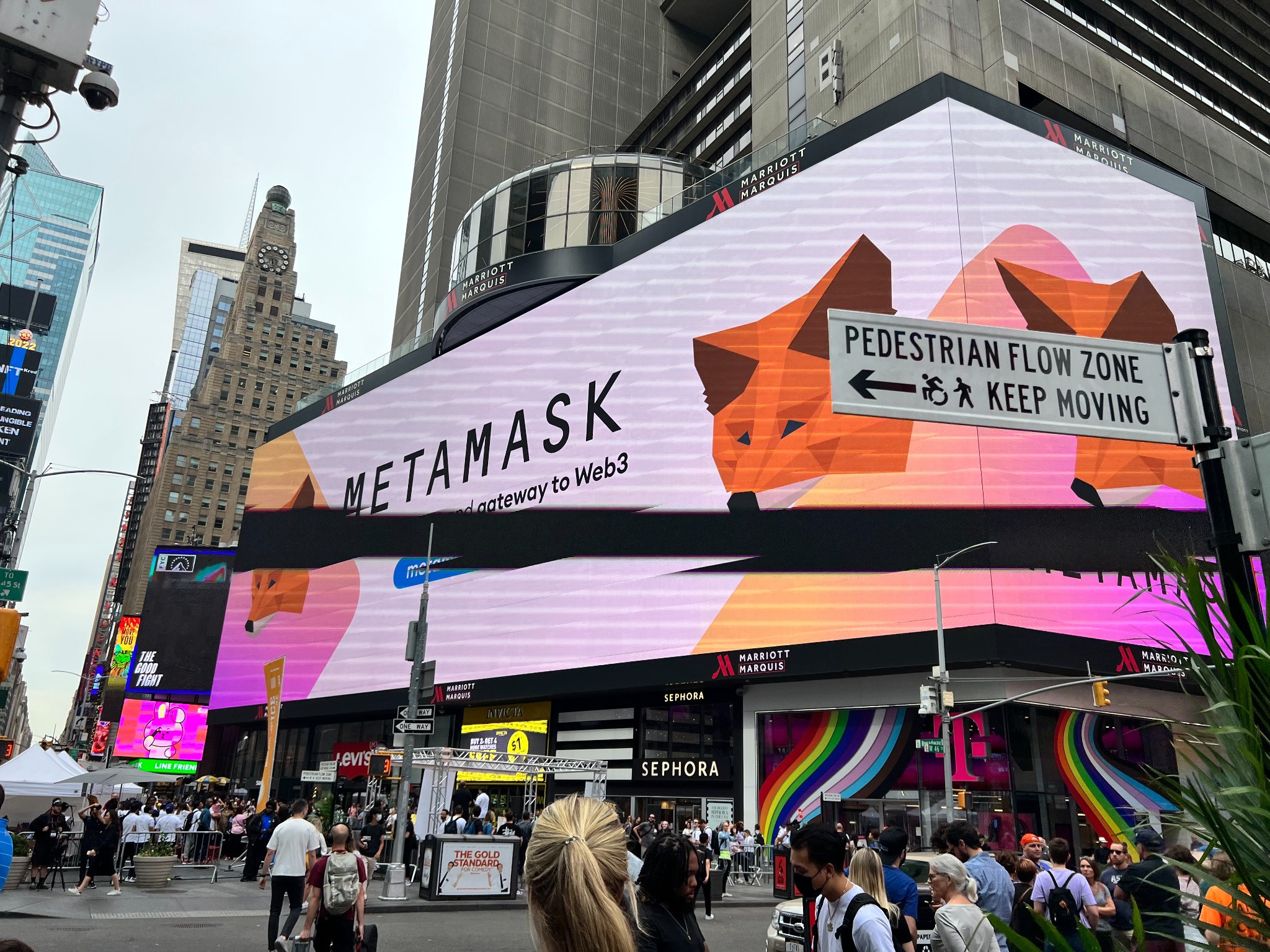
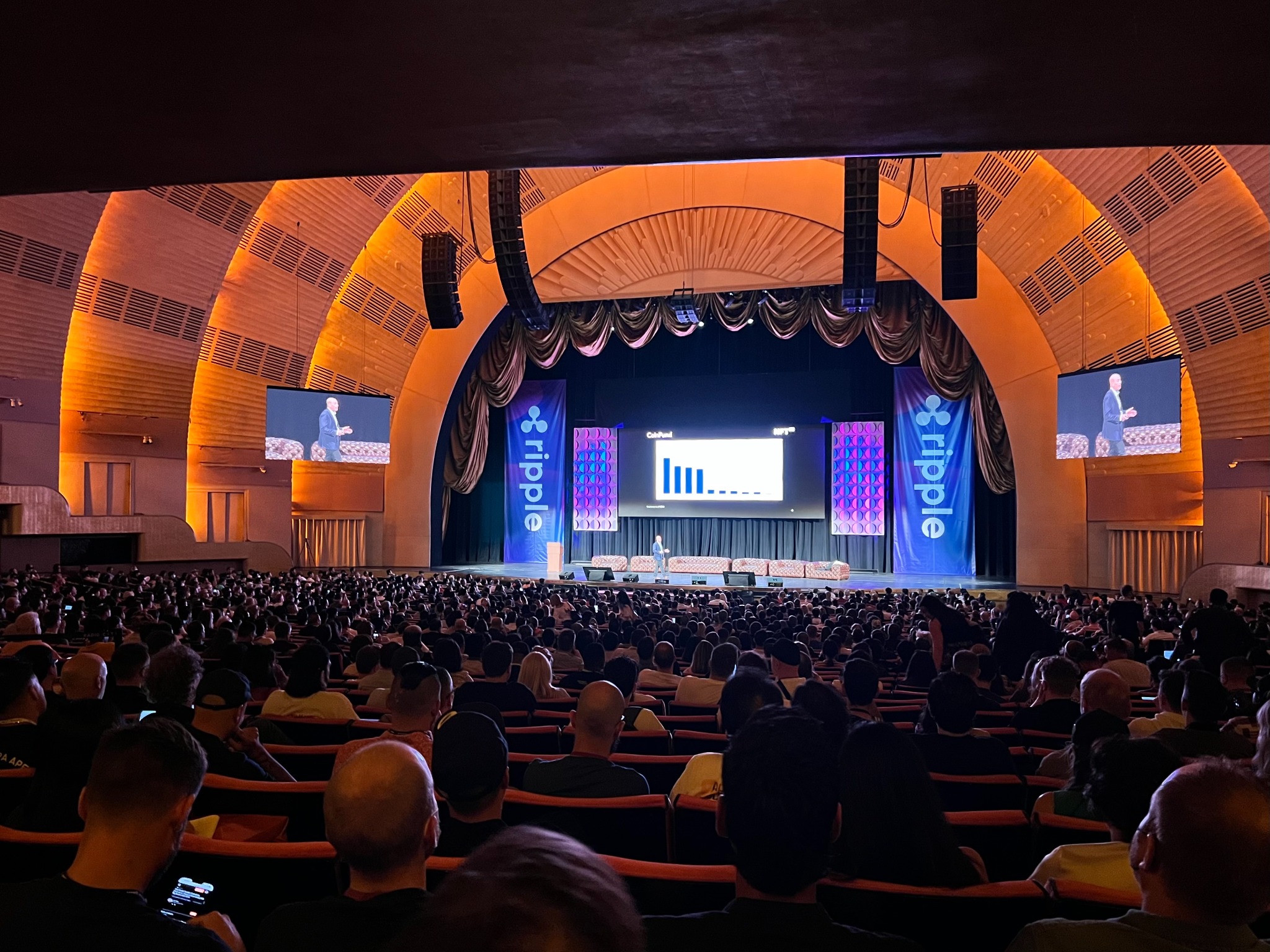
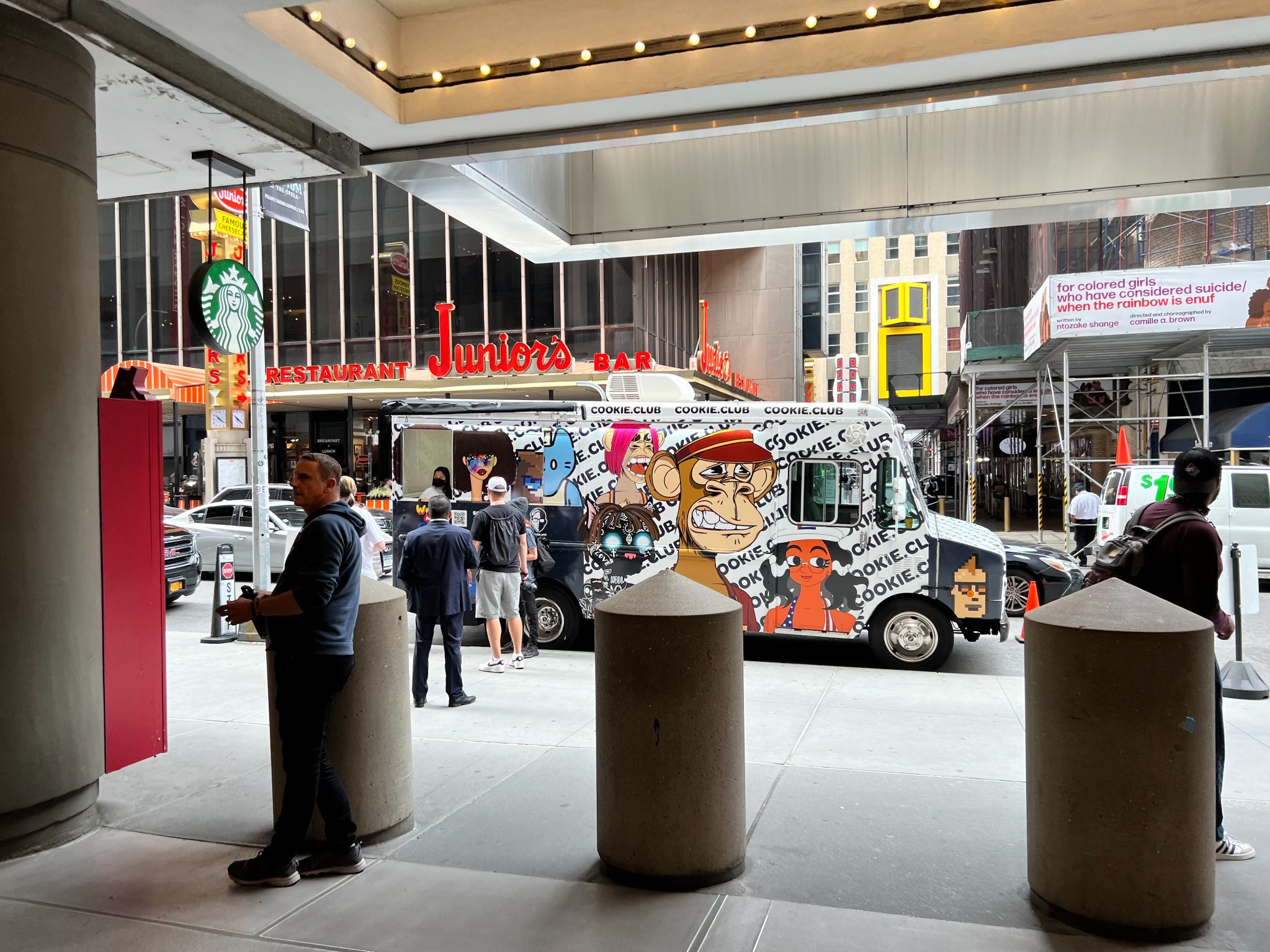
Moments from crypto and Web3 events, including NFT NYC and TOKEN2049. The rooms were packed, with new ideas to talk about and plenty of free drinks and merch (the best part, ngl). I made new connections and met potential investors. What I found both fascinating and worrying was the gap between the energy in those rooms and how people outside saw Web3. That disconnect grounded me.
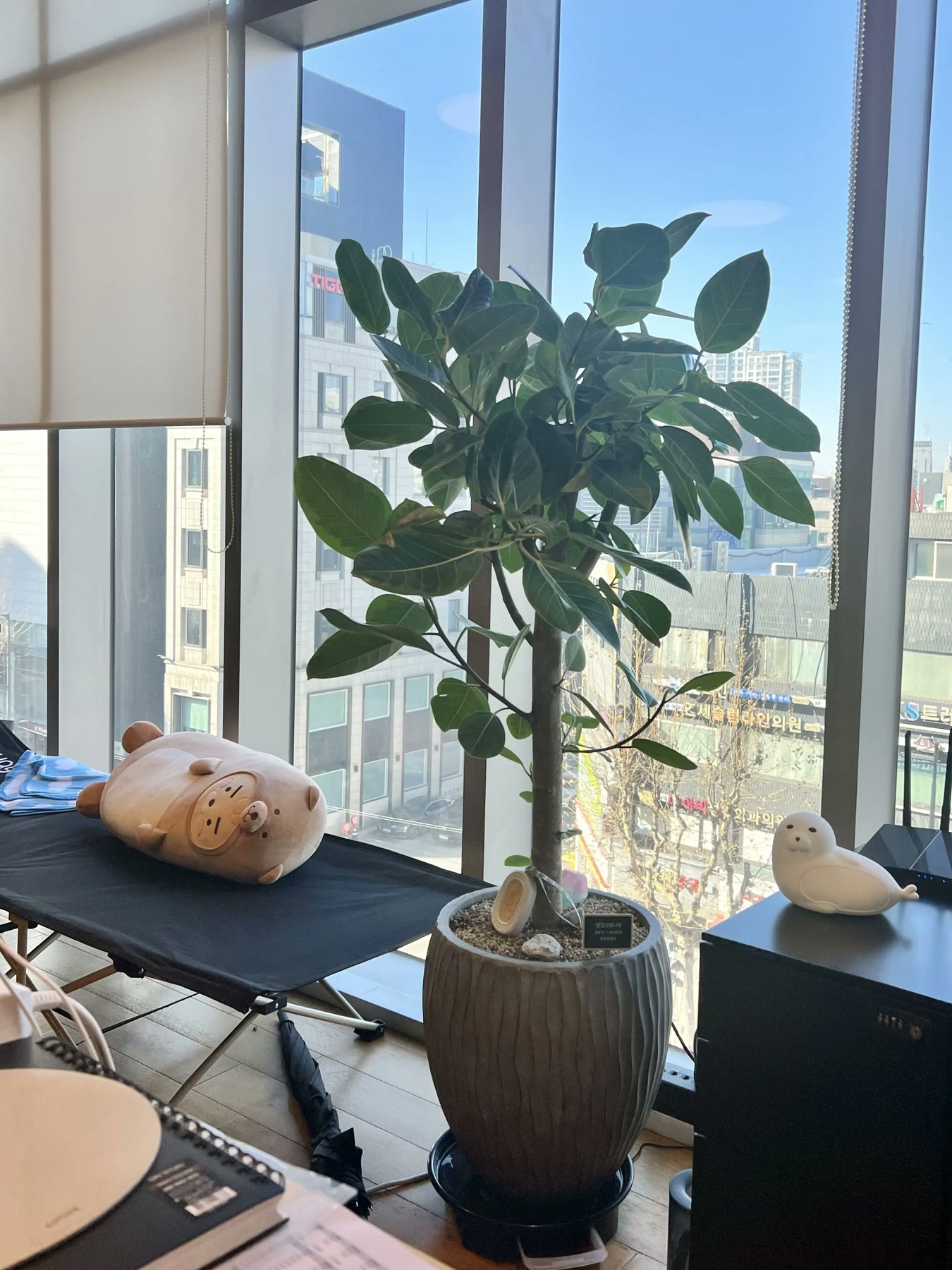
Our office essentials: a blessing tree and a makeshift bed, because crypto never sleeps. We were a startup, but we put capital to work much like a fund. We could’ve doubled down on B2B (and many seemed to favor that route), but we started SQRT to reach retail investors. We saw an opening there, even if the regulatory path was far from clear. And even within retail, should we build a more traditional multi-asset investment platform or go fully Web3 and gradually decentralize into a protocol? Those questions kept me up at night more than our daily P&L ever did.
Writing and Speaking
on the human side of AI
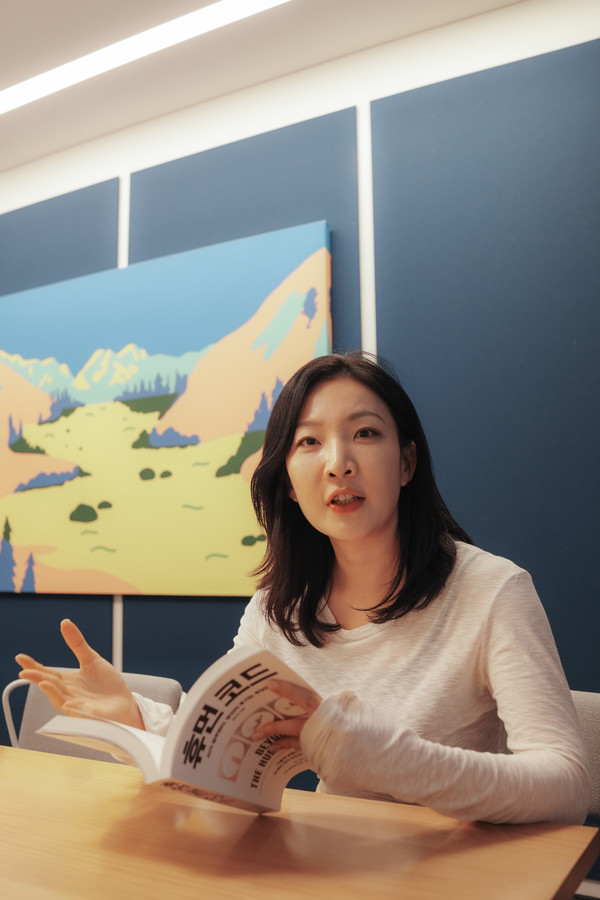
During an interview about my second book, the award-winning Beyond AI: The Human Strategy (Dec 2025). I spent nearly 100 hours talking with 55 leaders across Asia, Europe, and the US about a question I kept coming back to: When intelligence is everywhere, what will set us apart and keep us fully human? I explore that question through five aspects of life: work, sensibility, relationships, ownership, and dignity.
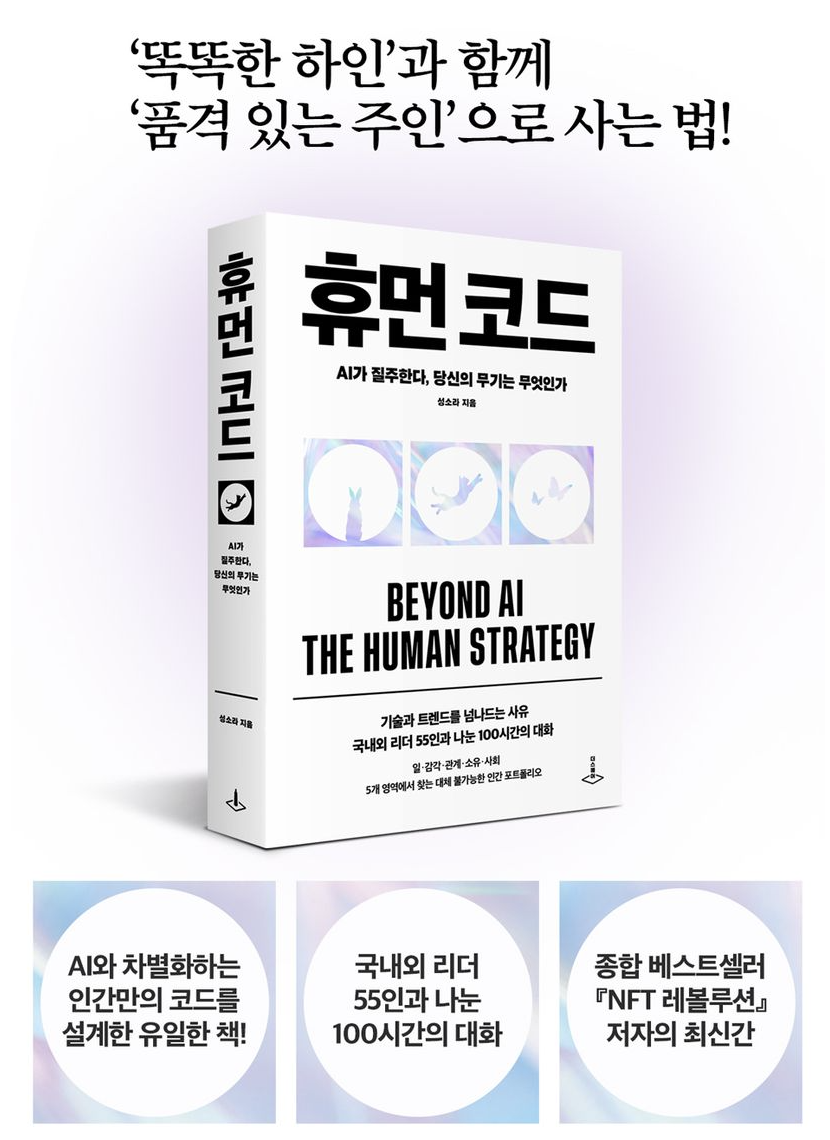
Endorsements for my book include:
“As AI becomes the new normal, we find ourselves at a profound turning point. This book takes on perhaps the most important question of all: What makes us human? It offers deep insight into the forces underlying the changes unfolding around us.”
Kim Mi Seob, Vice Chairman & CEO, Mirae Asset Securities
“In an age of overwhelming technological change, this book asks how we can lead with dignity as human beings. Its visionary author offers the year’s most insightful guide to the opportunities and risks of AI, bringing clarity to a rapidly changing world.”
Eugene Cook, Senior Managing Director and Head of Korea, Blackstone Private Equity
“[The author] reminds us that we have an opportunity to reexamine our work, our relationships, and our routines - in short, our lives … The Human Code offers a fascinating perspective on one of the defining issues of our time.”
Samuel Kim, Global Head of M&A, Deutsche Bank

Building on Beyond AI, I contribute articles and develop online courses and executive programs for leaders. I work with them on practical questions that increasingly autonomous AI brings to their organizations: how to design workflows, prepare for risks, and strengthen human judgment while ensuring that people continue to learn and experiment.
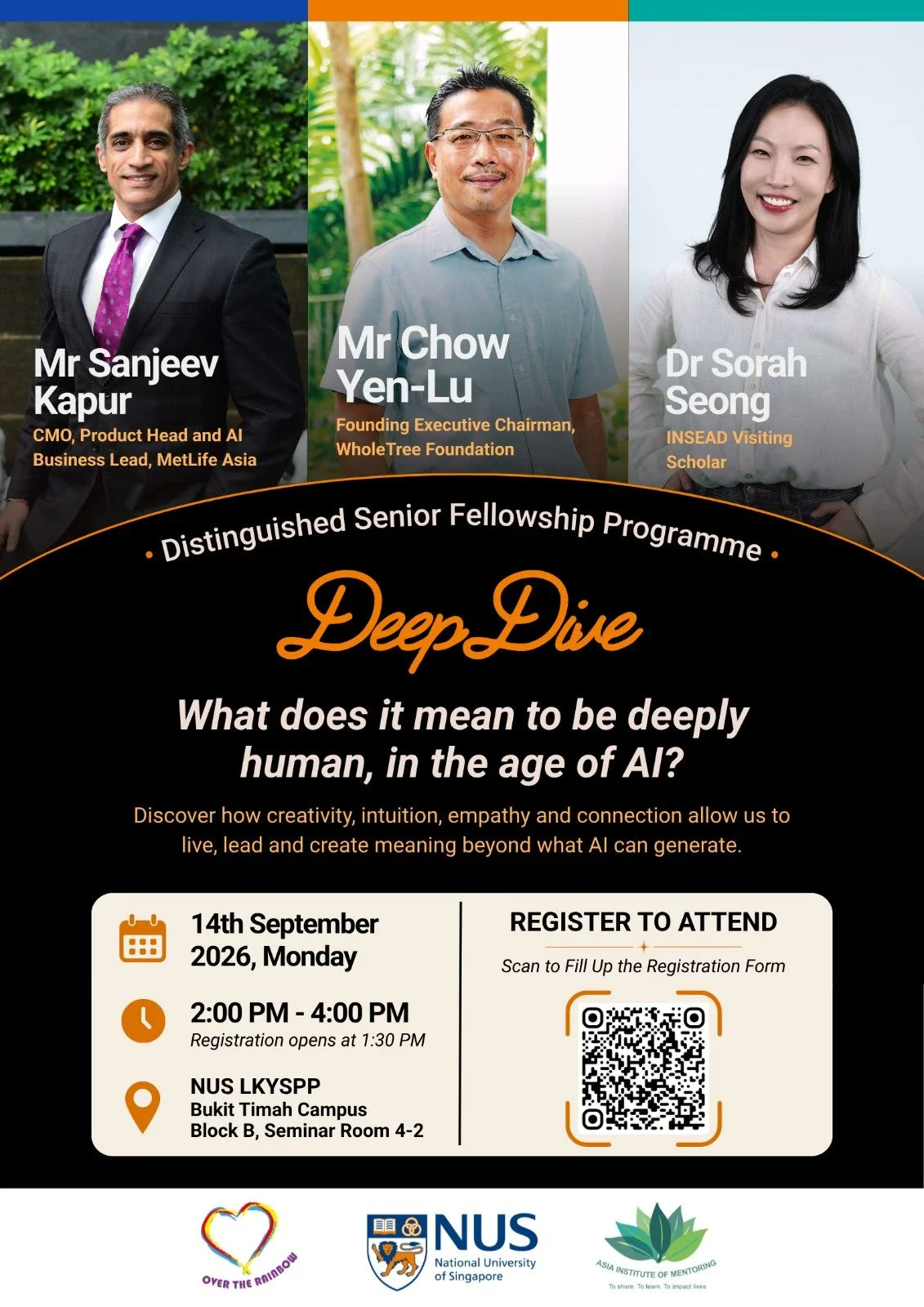
With change moving this fast and on this scale, I find myself with more questions than answers. More often than I’d like, “I guess time will tell” seems to be the only honest answer. I still think these conversations are worth having, if only because they push us to ask better questions.
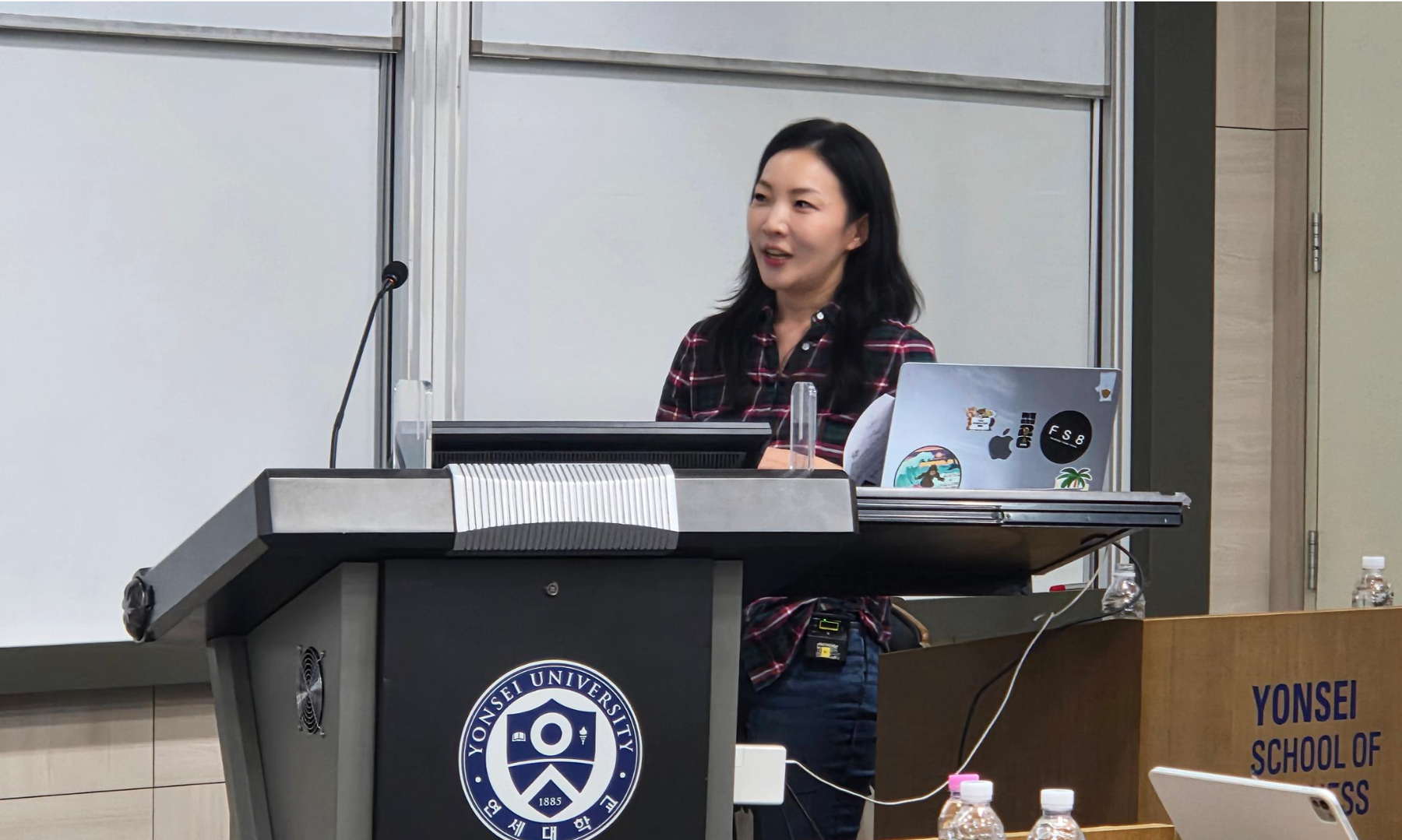
How we use AI to teach and learn is a tricky one, but I think instructors and students will work out new norms fairly soon. The bigger question for me is what universities, and MBA programs in particular, will mean in the age of AI. I still believe a degree can be a meaningful signal, perhaps even more so now that getting to “good enough” is easier than ever. But beyond the credential, what can we offer students that makes those years worth spending with us?
Back to Research
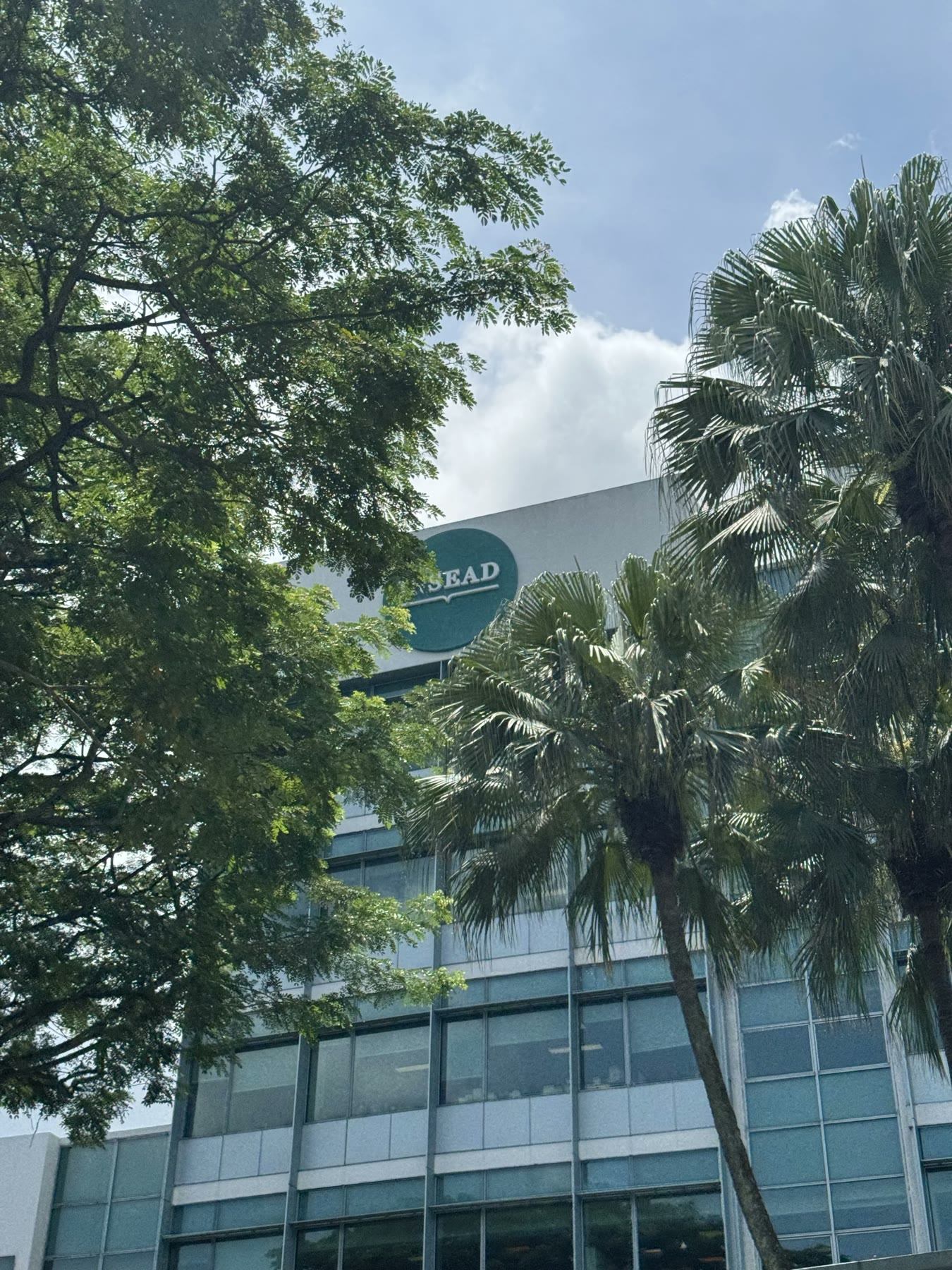
Back at INSEAD, roughly 8 years after earning my doctorate here in 2018, this time as a visiting scholar! I returned with a perspective shaped by practice, now at the heart of my research. 2026 -
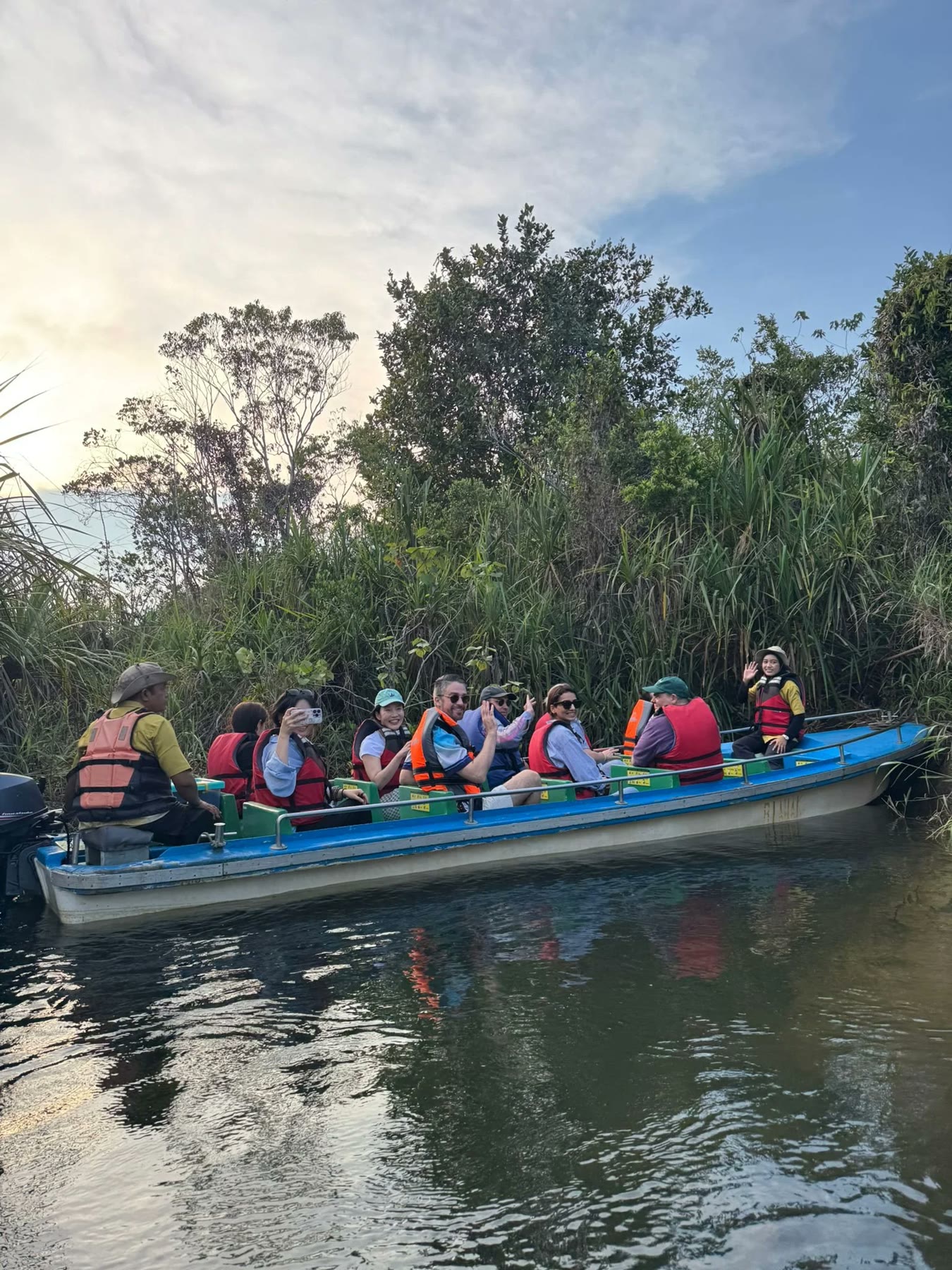
Off the grid after the Silky Path in Strategy workshop in Bintan. Sometimes the best thinking happens on the water. 🌊 I came back to INSEAD to write. Conversations like the ones in Bintan reminded me how much I’d missed doing research. May 2026.